
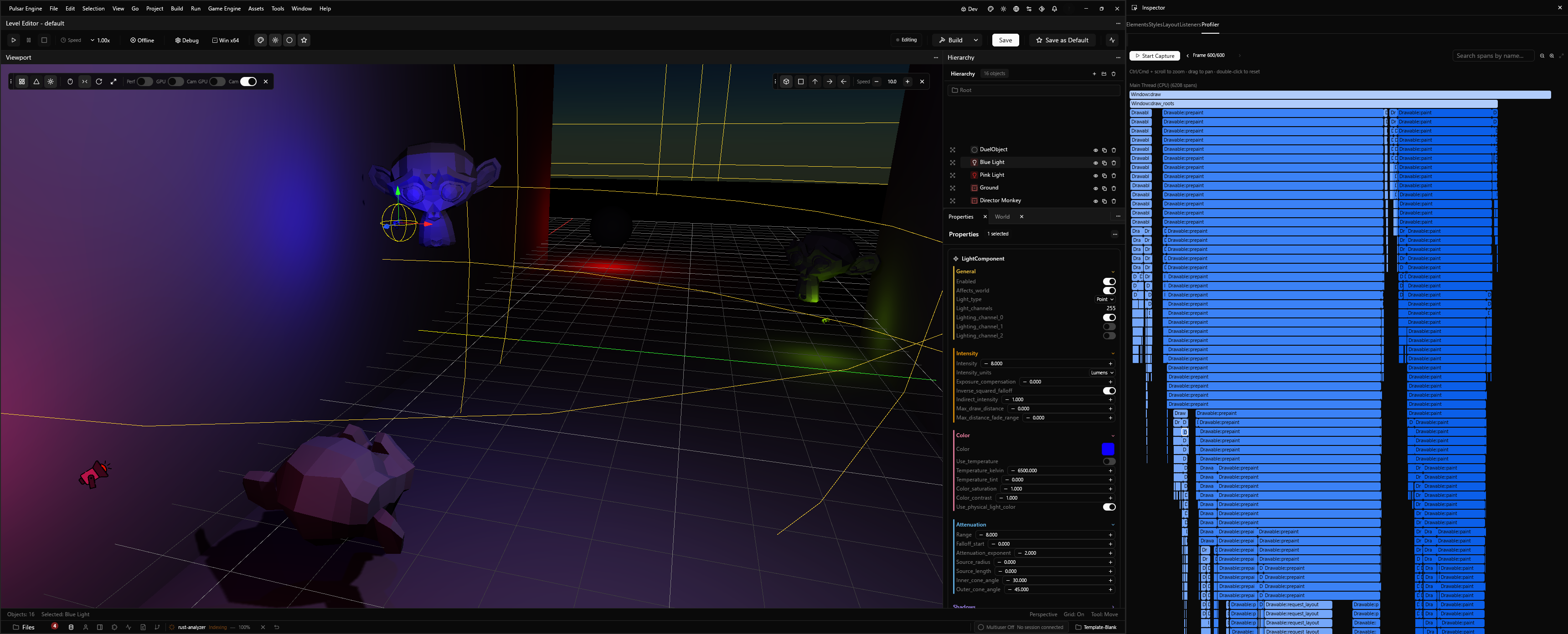
Profiling the UI Itself: A CPU+GPU Flamegraph and RenderDoc-Style Replay Viewer for GPUI
Building a feature-gated CPU+GPU profiler directly into GPUI's Inspector panel: span capture, counters, memory snapshots, a RenderDoc-style GPU deep capture and replay engine, and a flame chart rendered with a custom instanced GPU shader instead of one UI element per bar.

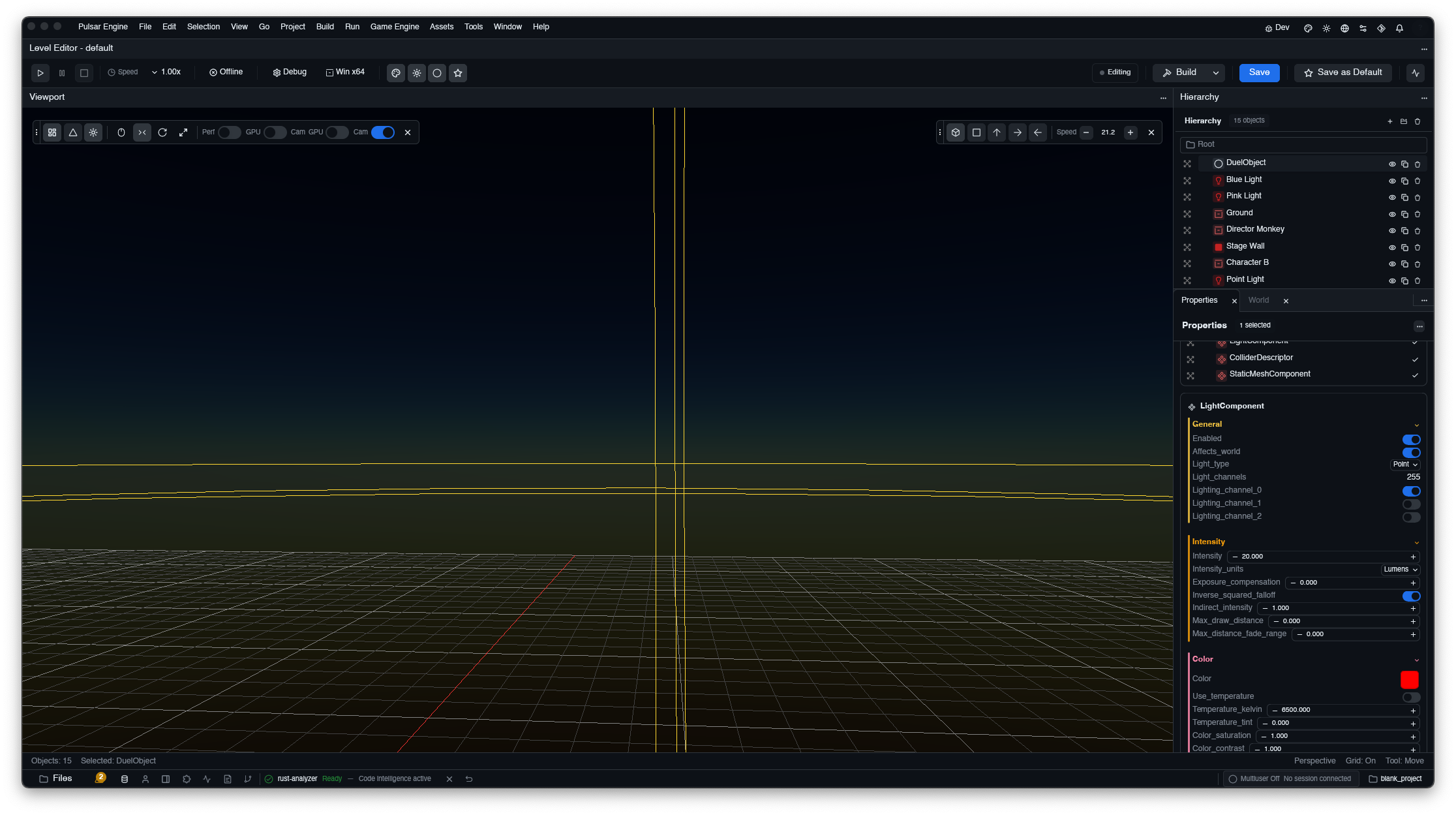
Type-Agnostic Reflection: How Pulsar's Property Editors Shed JSON, Became Entities, and Stopped Knowing What They Were Editing
How Pulsar's property editor system evolved from JSON-mediated stateless function pointers to entity-based factories with type-erased value channels — and why eliminating type knowledge from the framework layer made the entire editor registry extensible without per-type boilerplate.
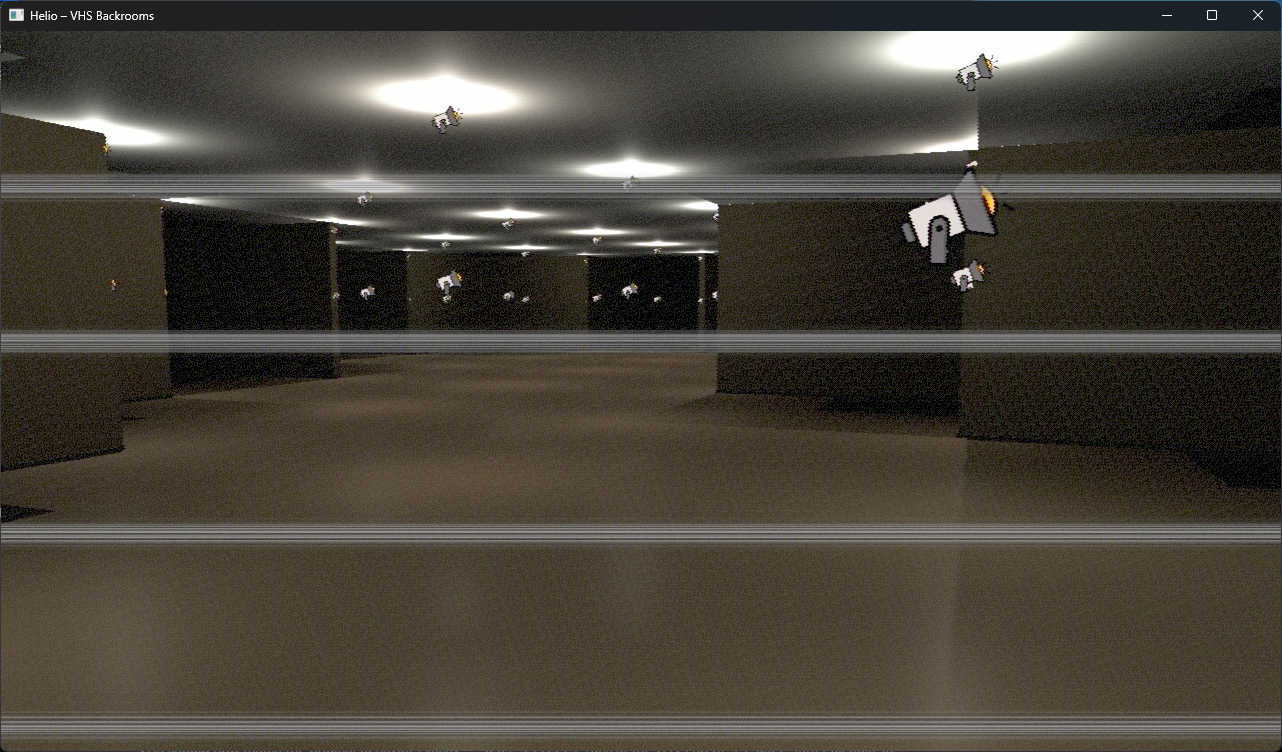
Post Processing and Custom Shader Injection in Helio
How Helio handles post processing — the uber-pass design, multi-point shader injection, GPU volume blending, auto-exposure, bloom, color grading, and the post-process volume system with GPU-side spatial blending.
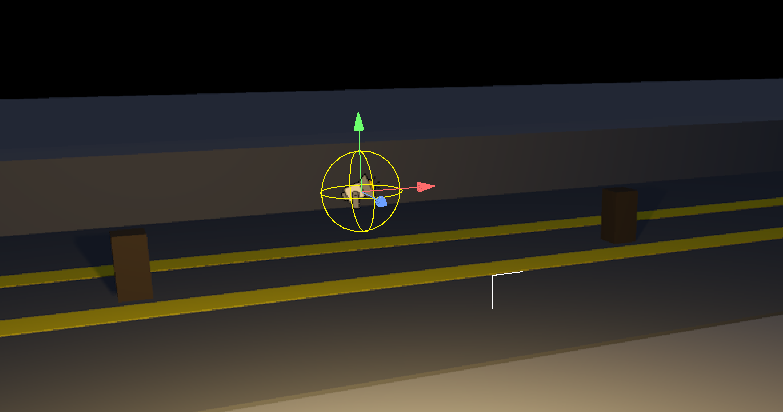
Editor Gizmos: 3D Transform Manipulation in Rust
A technical walkthrough of Helio's editor gizmo system — how translate/rotate/scale handles work, the ray intersection picking for handle selection, the axis-aligned rendering, and how everything integrates with the debug draw pipeline for zero-cost editor visualization.
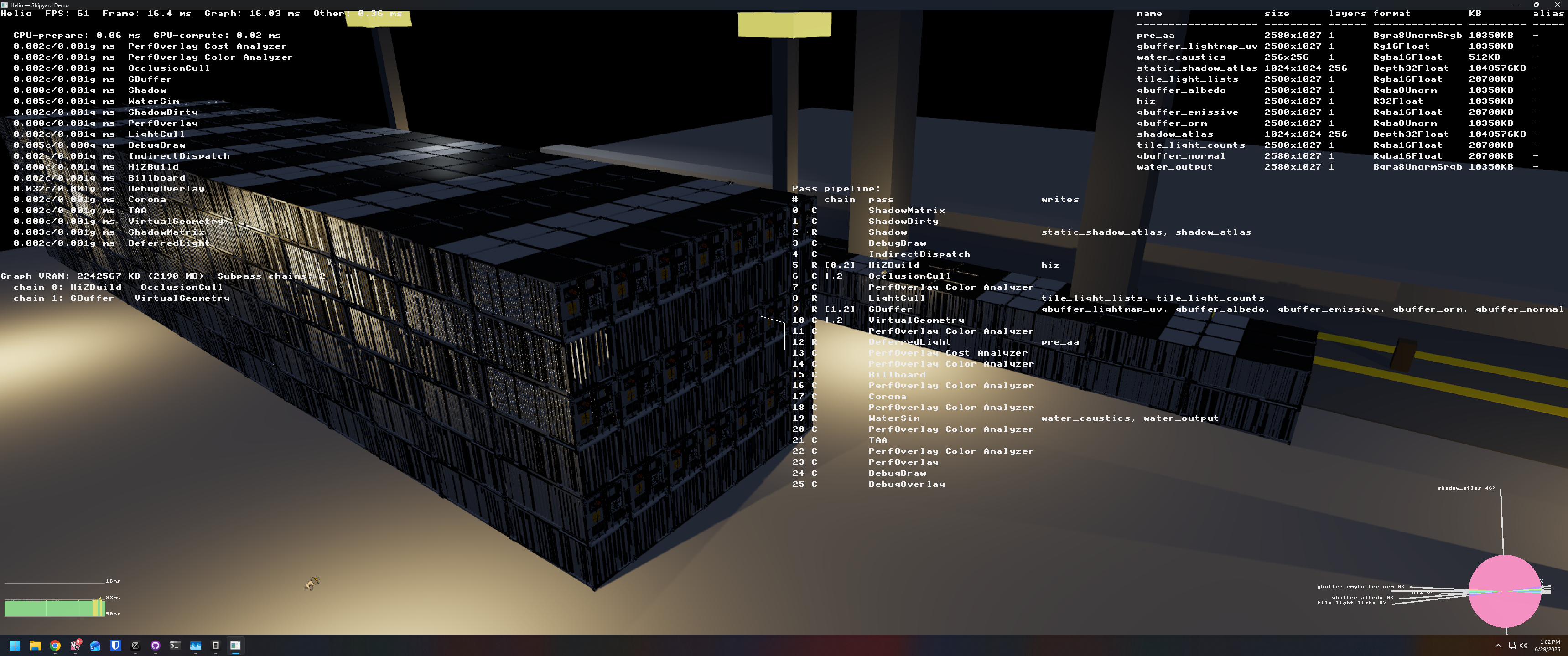
Building an In-Engine GPU Profiler for Fun and Frame Time
A thorough technical walkthrough of how Helio's built-in profiler works — zero-instrumentation pass timing, GPU timestamp queries, resolve buffer mechanics, staging readback without stalling, and the live telemetry viewer that ties it all together.
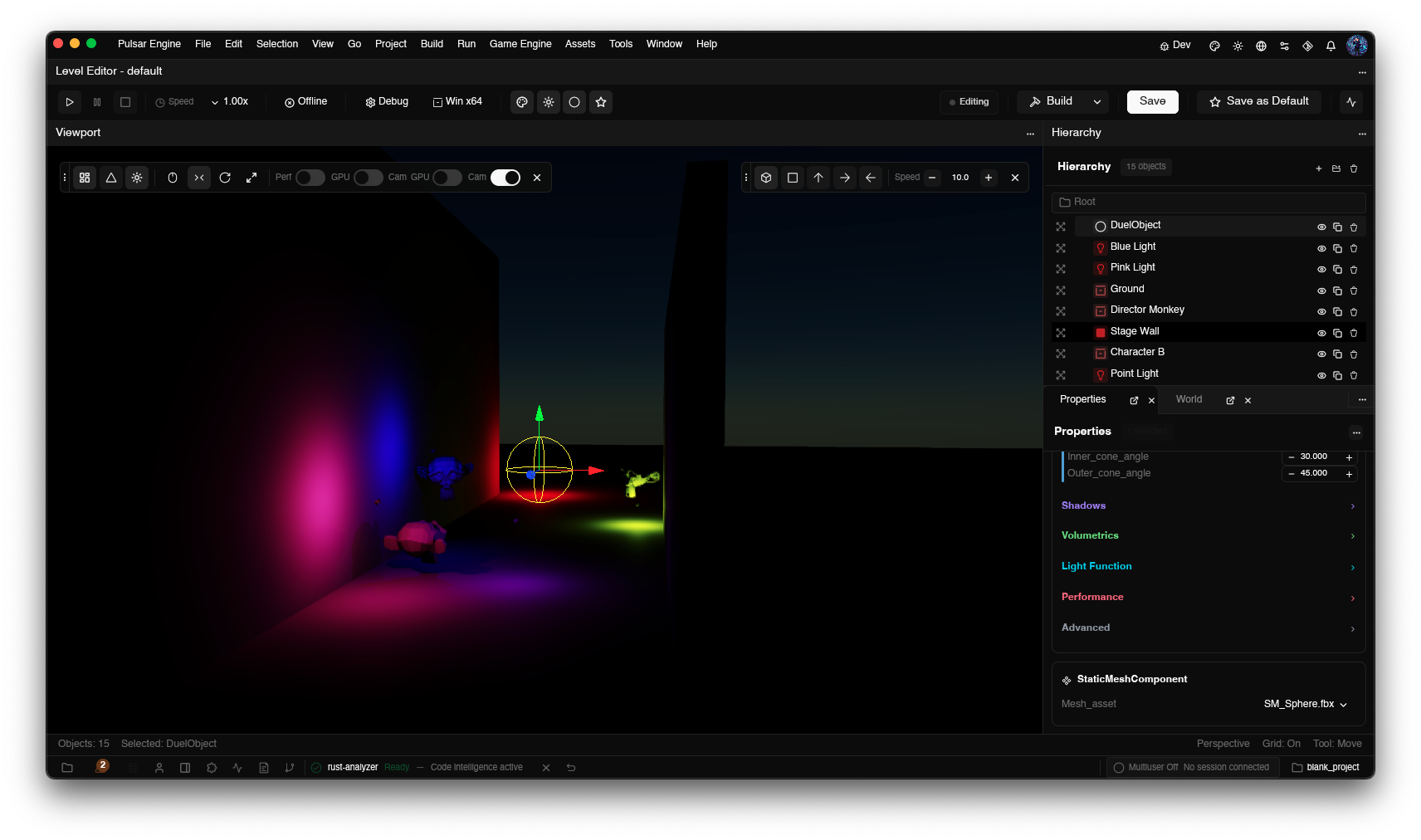
Pulsar's Reflection System: From Macro to Properties Panel
A deep dive into how Pulsar's runtime reflection system works — from the EngineClass derive macro and property attributes through to the Properties panel that uses that metadata to generate a live editing UI with zero handwritten widget code.