
SceneDB 2.0: The Cross-Device Spatial Database
A deep technical walkthrough of SceneDB 2.0, a cross-device spatial database that replaces the traditional push-model ECS with GPU-native columns, delta-minimal uploads, self-healing slot mirrors, and compile-time frame phase enforcement.


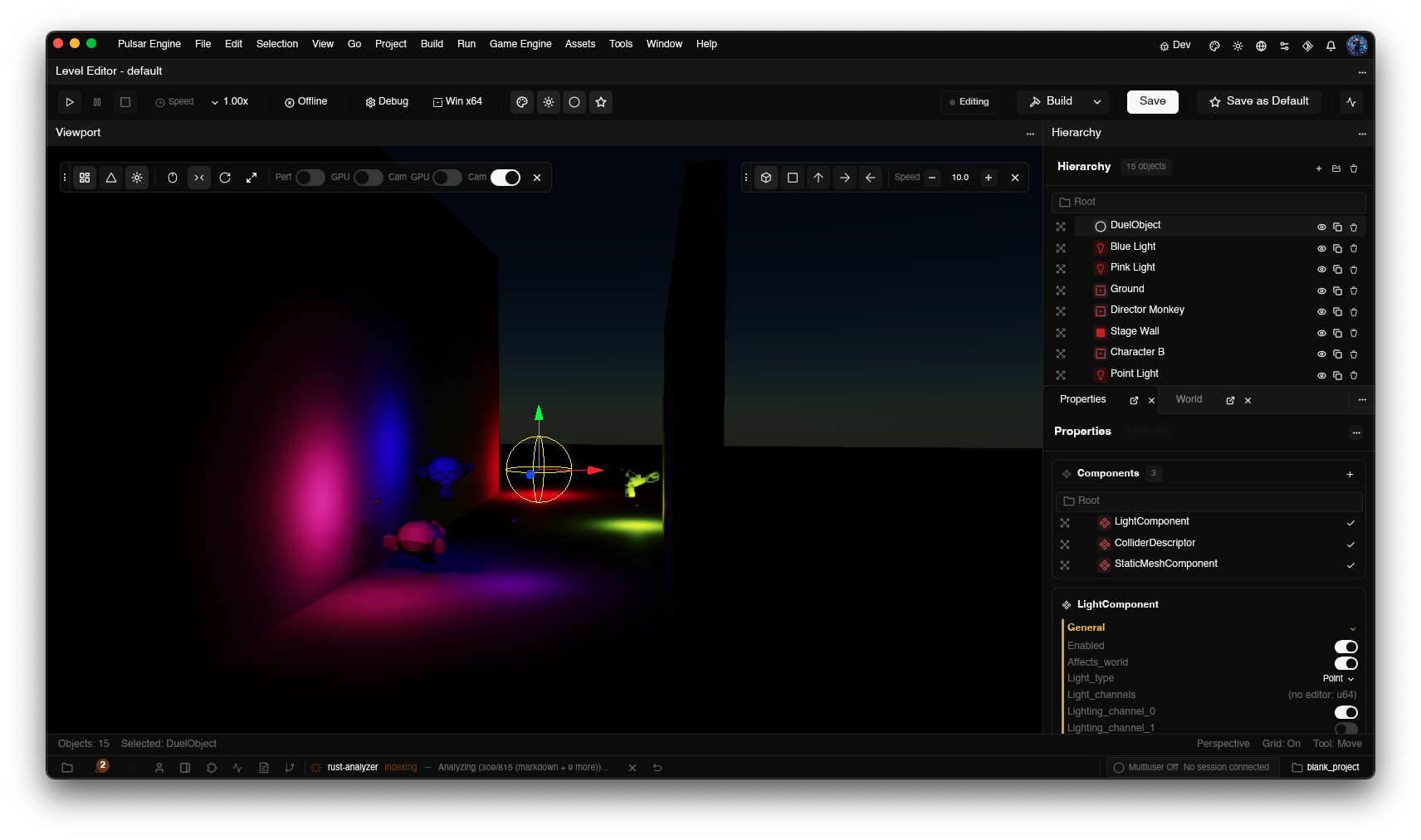
Pulsar's Blueprint Compiler: Graphs, Types, and Transpilation
A deep dive into Pulsar's Blueprint Graph Compiler — how graph descriptions are structured, how type checking validates connections with a coercion registry, how data flow analysis computes pure node evaluation order, how the exec_output!() marker macro is lowered via AST transformation, and how the same graph compiles to both bytecode for the editor VM and native Rust for shipping builds.
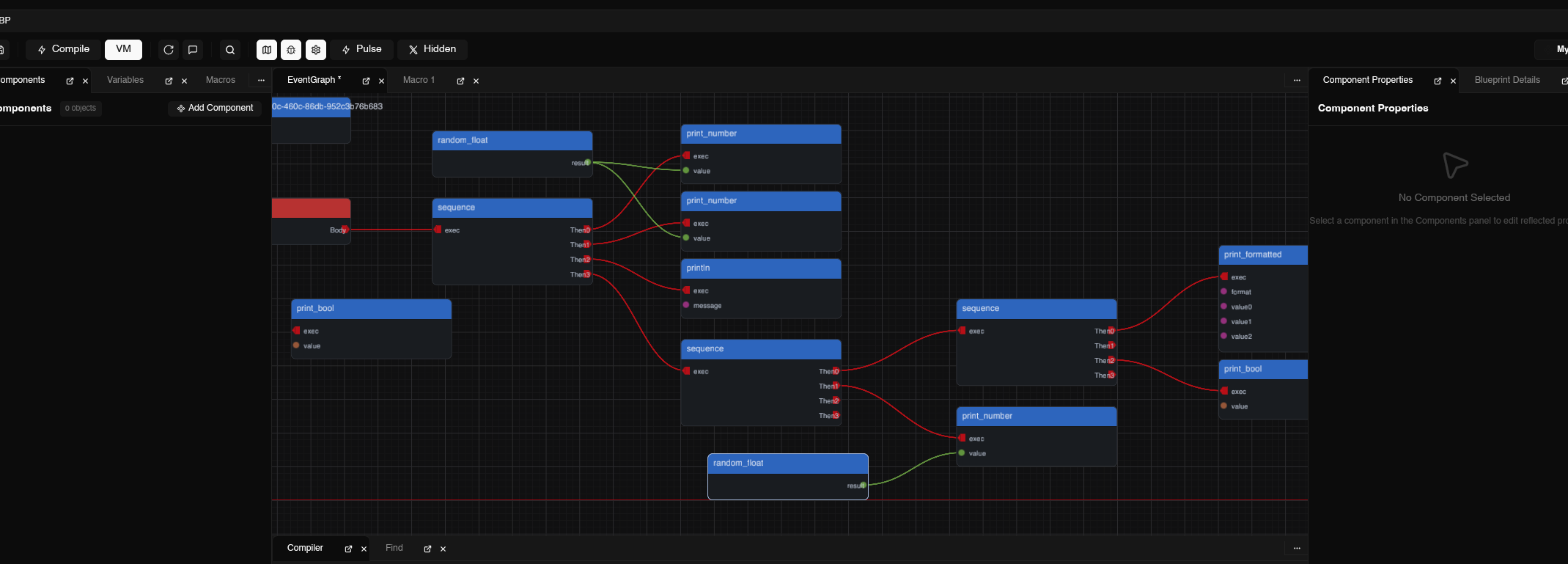
The Pulsar Blueprint System: From the Blueprint Macro to Runtime Execution
A complete walkthrough of Pulsar's Blueprint visual scripting system — how the #[blueprint] macro transforms Rust functions into graph nodes, how the reflection system and component methods feed into the node palette, and how the dual-path execution runtime runs bytecode in the editor and transpiled Rust in shipping builds.
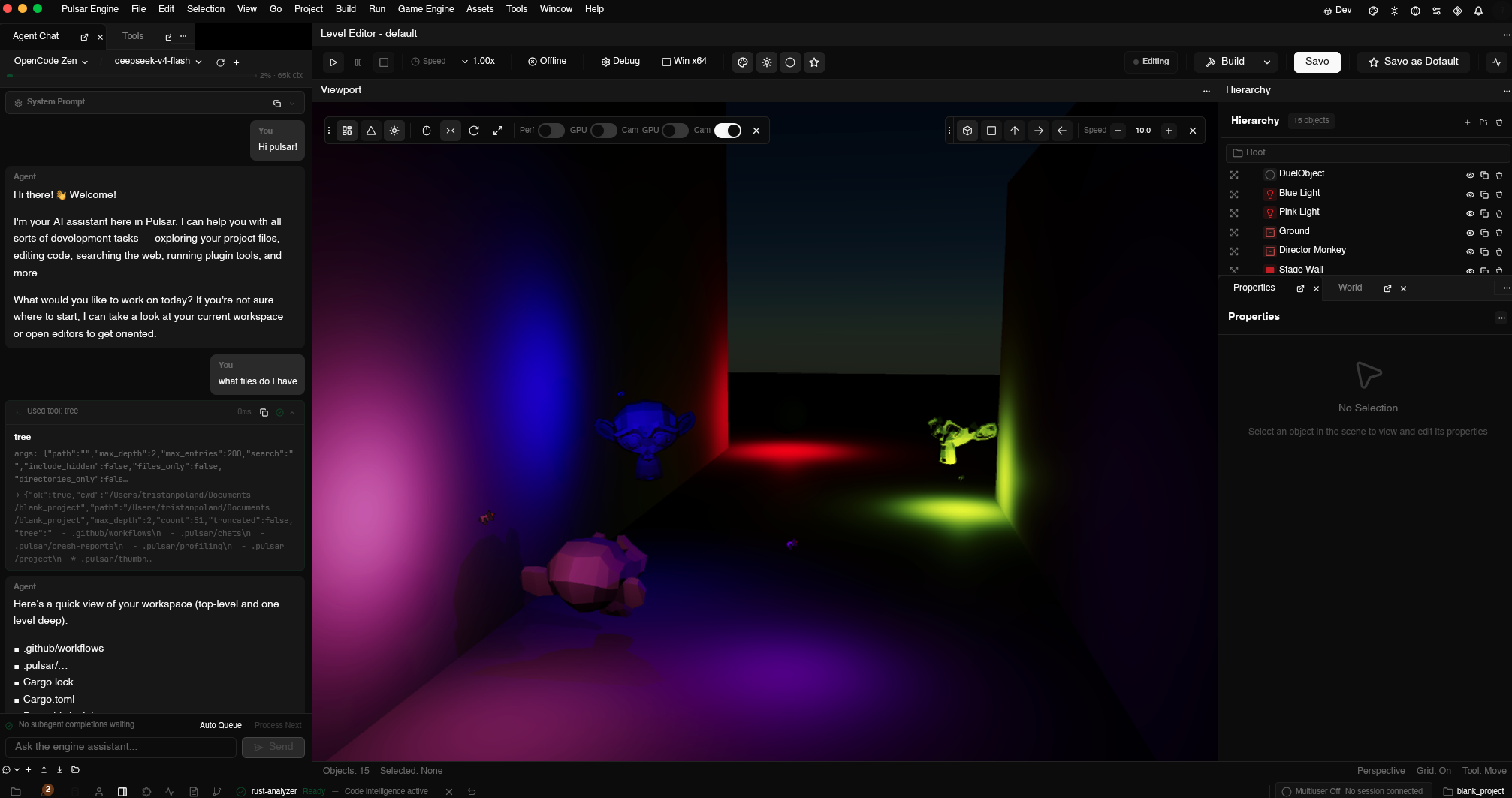
The AI in the Machine: AI Tools and Context at Scale
How Pulsar's plugin-driven AI system lets the agent discover, traverse, and invoke tools through a macro-based pipeline — without dumping your entire codebase into a system prompt.
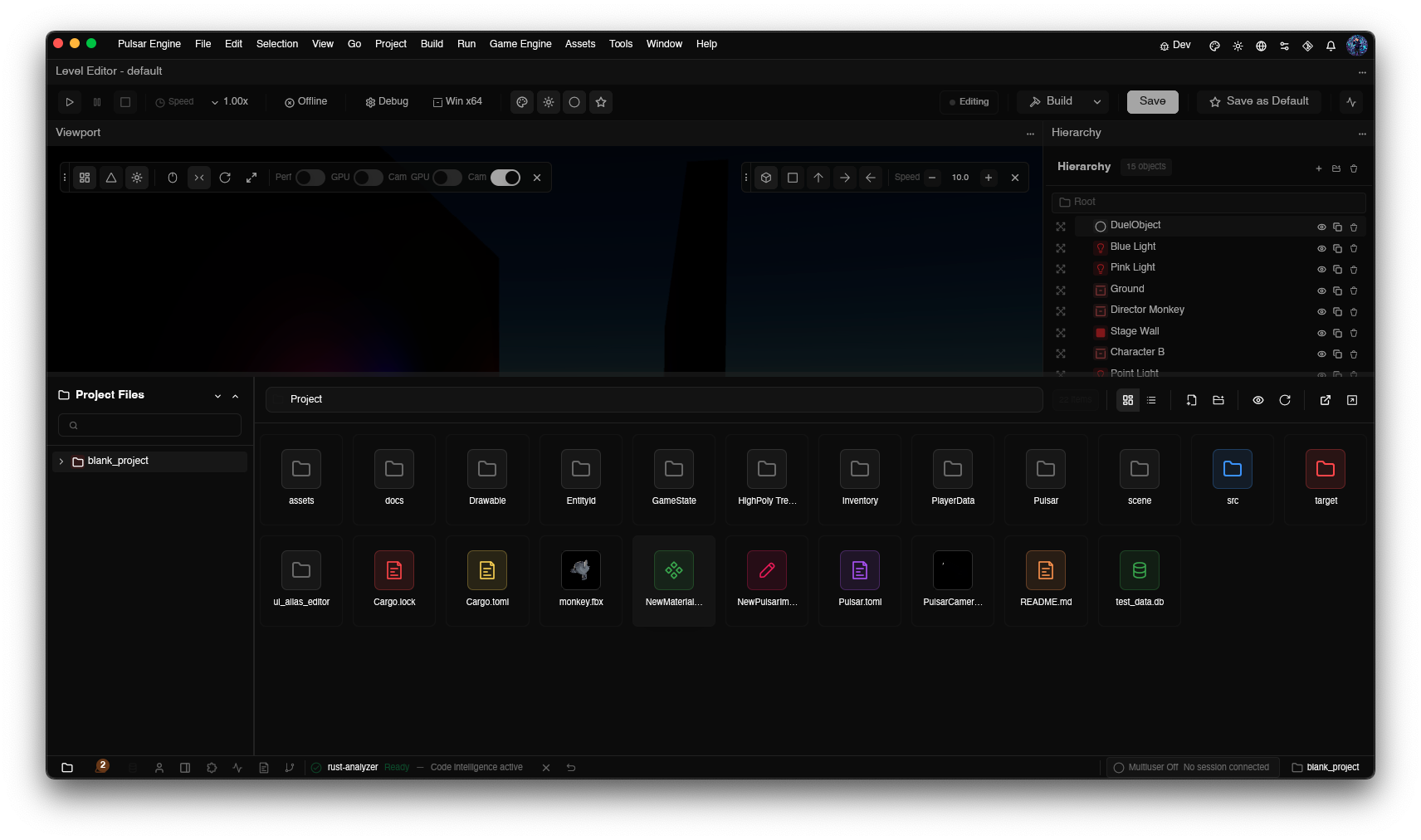
EngineFS: Pulsar's Virtual Filesystem Layer
How Pulsar abstracts every file operation behind a swappable provider trait — making local disk, HTTP remote, and P2P collaborative sessions all look identical to every crate above them.
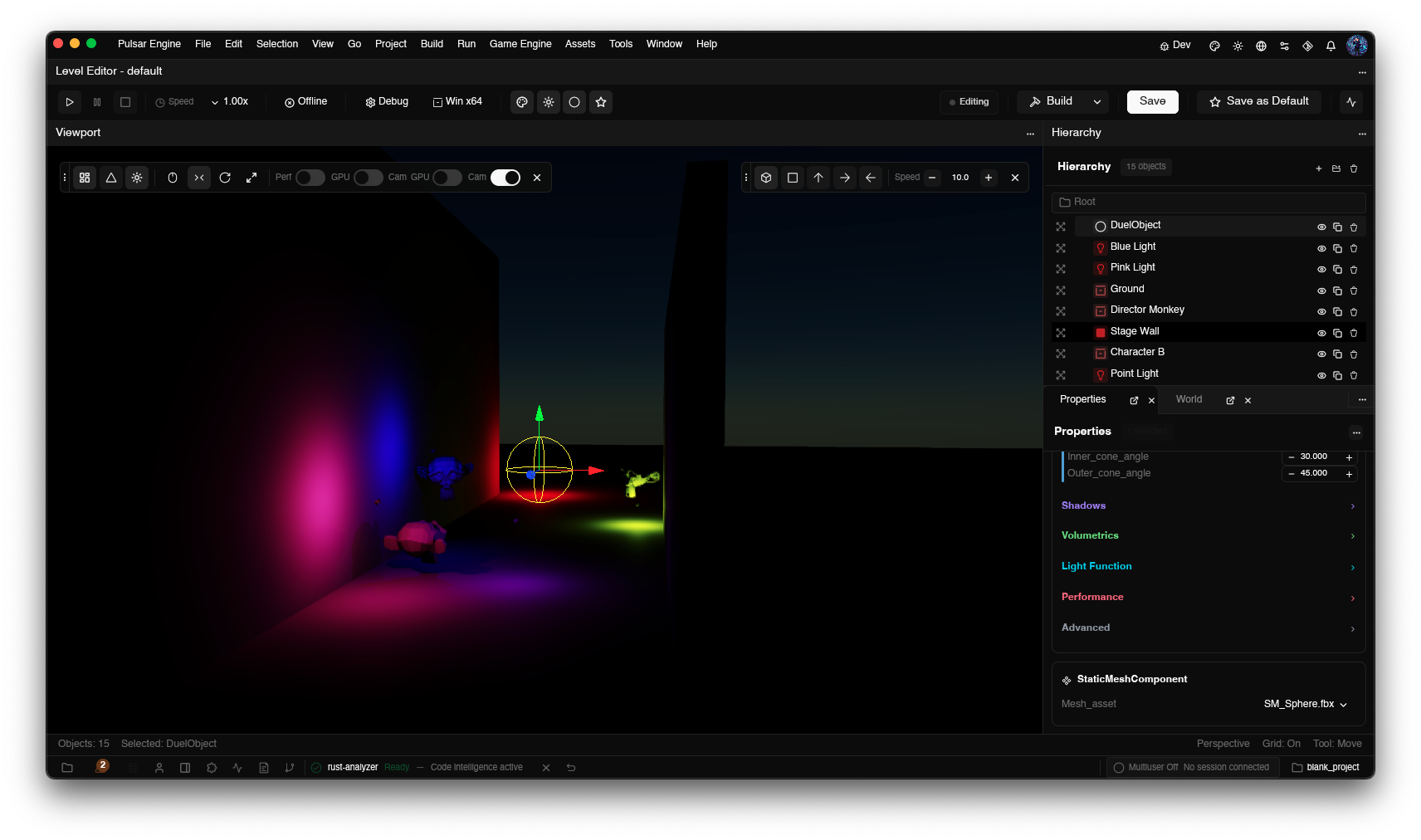
Pulsar's Reflection System: From Macro to Properties Panel
A deep dive into how Pulsar's runtime reflection system works — from the EngineClass derive macro and property attributes through to the Properties panel that uses that metadata to generate a live editing UI with zero handwritten widget code.
Pulsar's Subsystem Architecture: How the Engine Core Ends Up Knowing Nothing
A thorough walkthrough of how Pulsar's subsystem and component architecture achieves genuine decoupling — components only import the subsystems they touch, the central engine knows nothing about any of them, and the whole system is open to extension by plugins without modifying engine code.
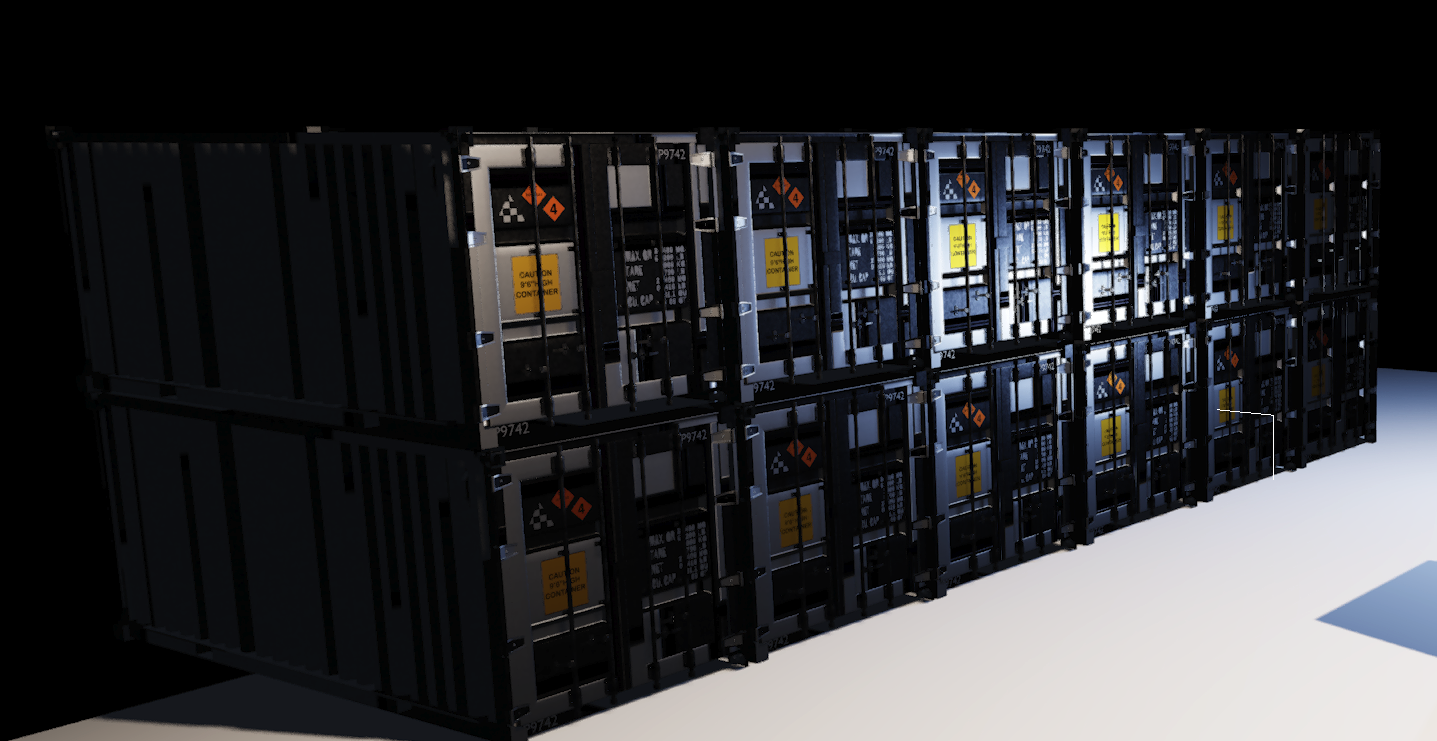
Introducing Helio: A GPU-Driven Renderer Built in Rust
A deep technical walkthrough of Helio — the custom GPU-driven deferred renderer we built for Pulsar. Why we built it, how its pipeline is structured, and what we learned along the way.