
Helio 2D: GPU-Driven Sprites at 10 Million Instances
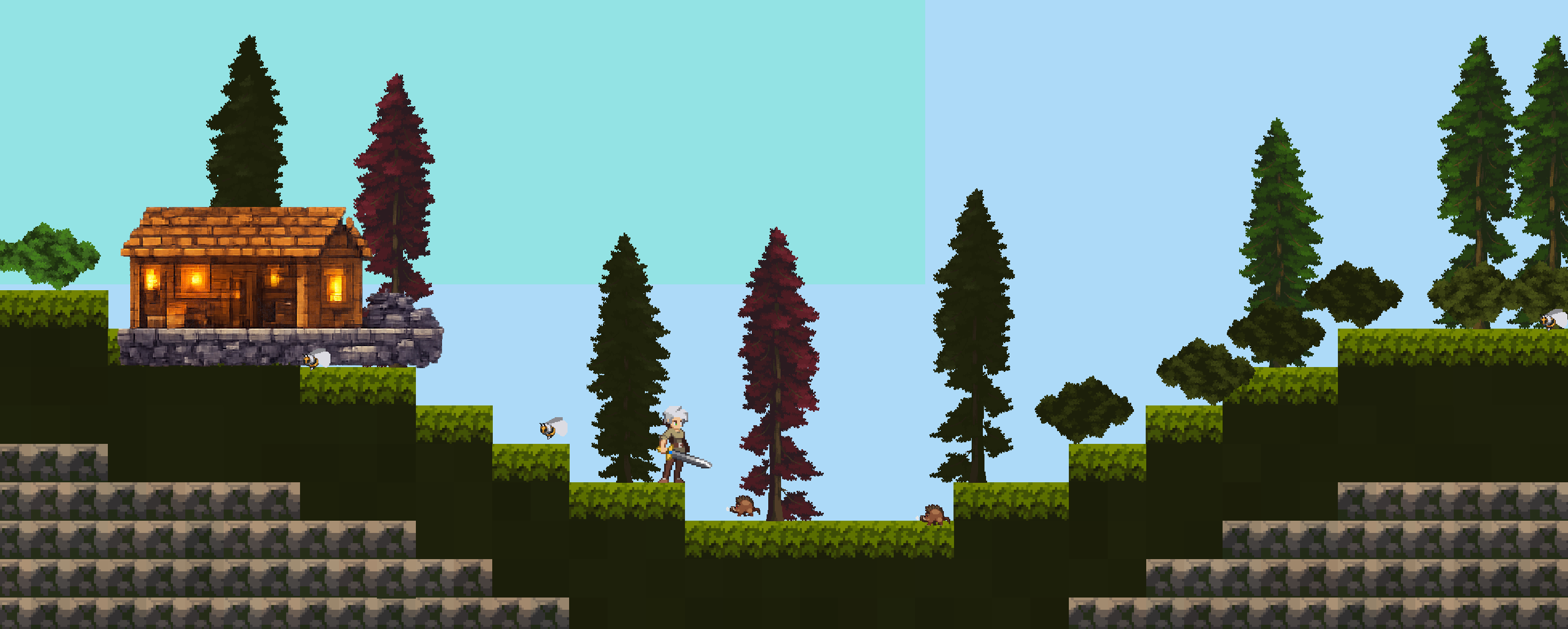
Helio's GPU-driven 2D sprite pipeline — persistent handle-addressed pools, GPU compute culling and radix sort, vertex-pulling batch rendering, GPU bounce physics for 10M sprites, and real-time 2D radiance cascades global illumination.

Helio VR: OpenXR Integration Through wgpu's Vulkan Escape Hatch
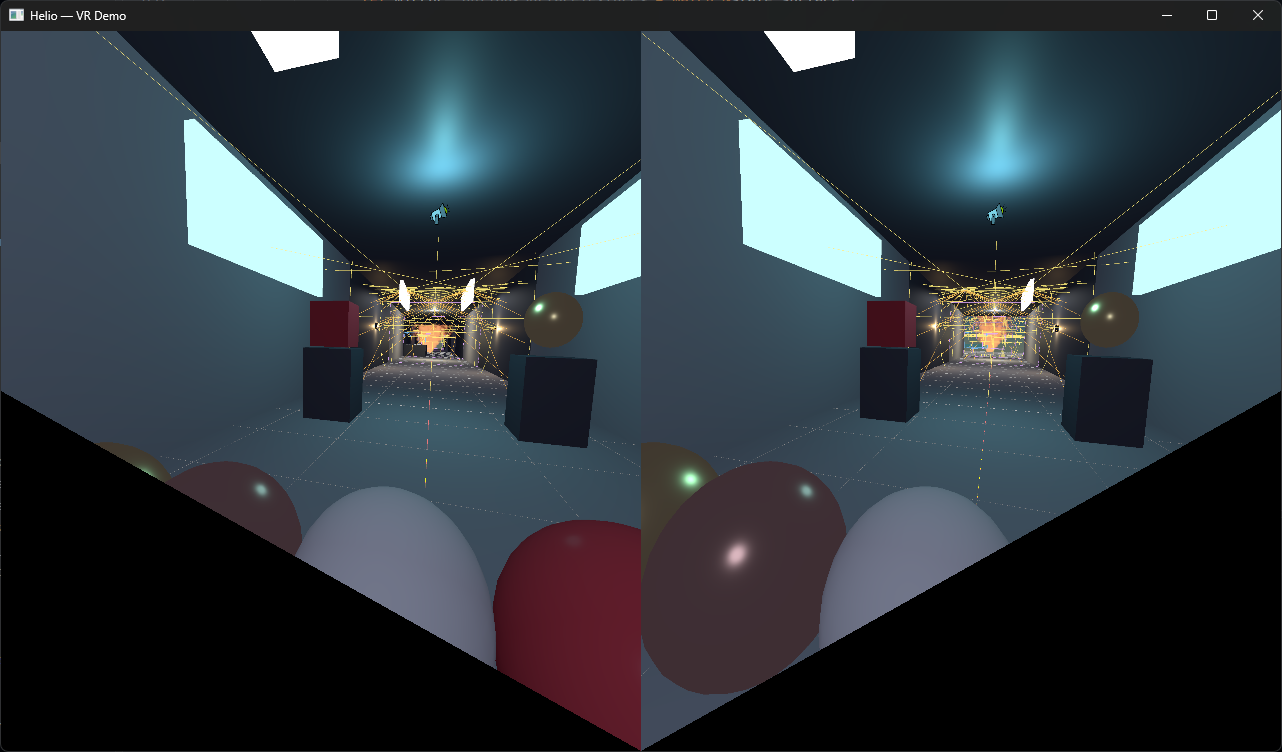
How Helio drives an HMD through OpenXR: Vulkan instance and device created through the runtime, dual-pass stereo rendering through existing forward pipelines, asymmetric-FOV camera math with a documented clip-space bug, controller input across four interaction profiles, and a PC mirror blit that shows both eyes side by side.
Rendering a Million Blades of Grass: Helio's GPU-Driven Foliage System
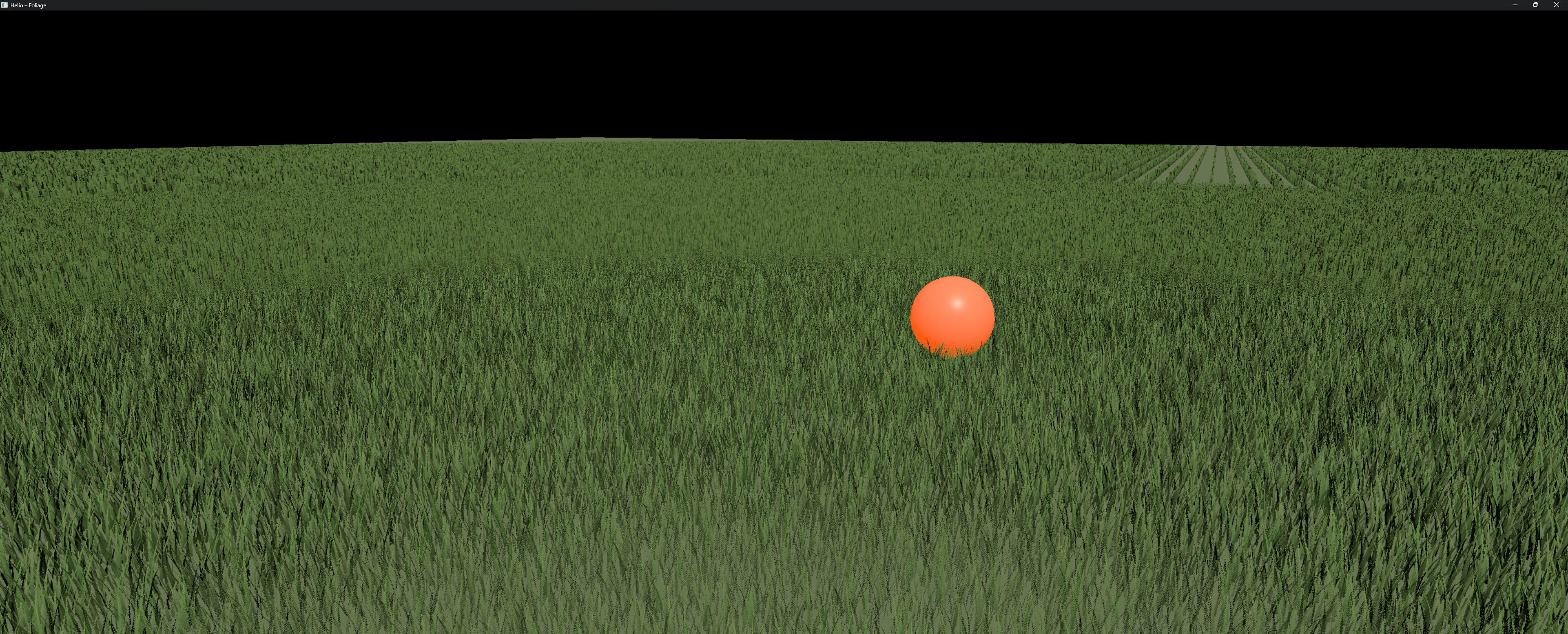
Helio's GPU-driven foliage system with tile ring residency, three-band wind, correct motion vectors, and 1M blades under 3ms.
Helio Radiant: Zero-Cost Custom Materials Through Template Fusion
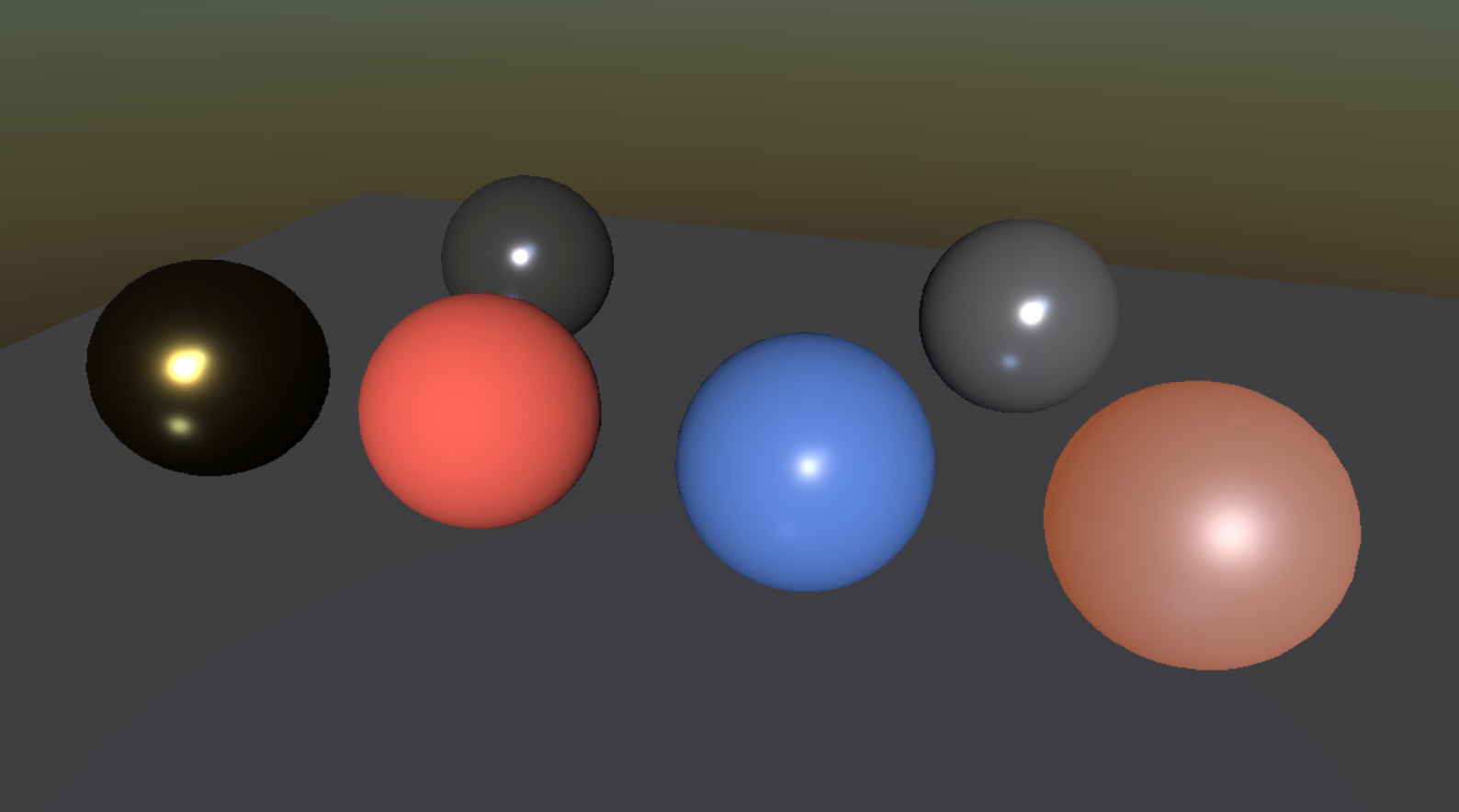
How Helio's Radiant material system combines hand-authored shader templates with graph-generated WGSL snippets to deliver custom surface shaders with zero per-permutation PSO cost — through warp-uniform feature branches, lazy shader compilation, and draw-call grouping by material class.
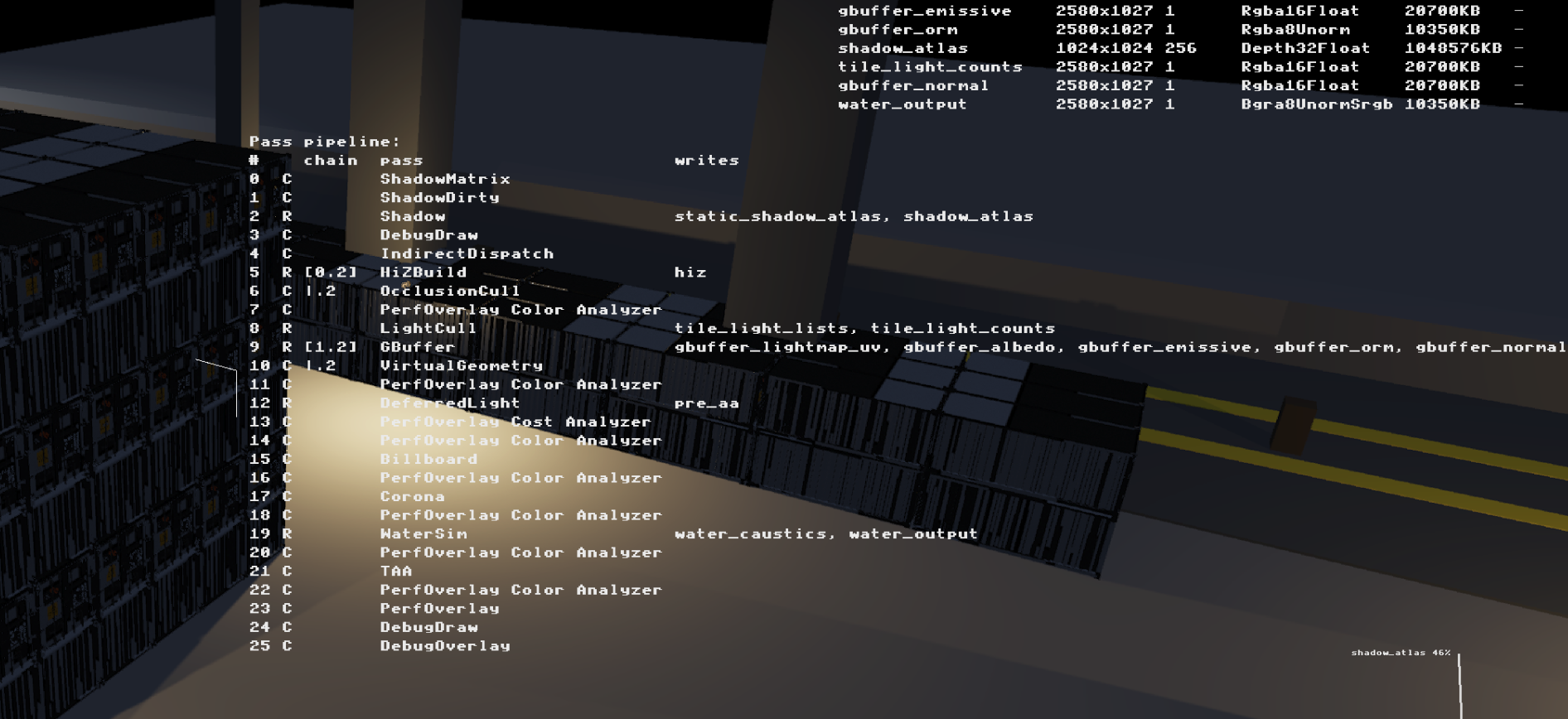
Helio Fusor: How the Executor Took Ownership of the Render Pass and Why Nobody Noticed
How Helio's Fusor system fuses adjacent render passes into a single GPU render pass — why the executor, not the passes, owns the render pass lifecycle, how passes write to a pointer they don't own, and what this saves on Vulkan, Metal, DX12, and WebGPU.
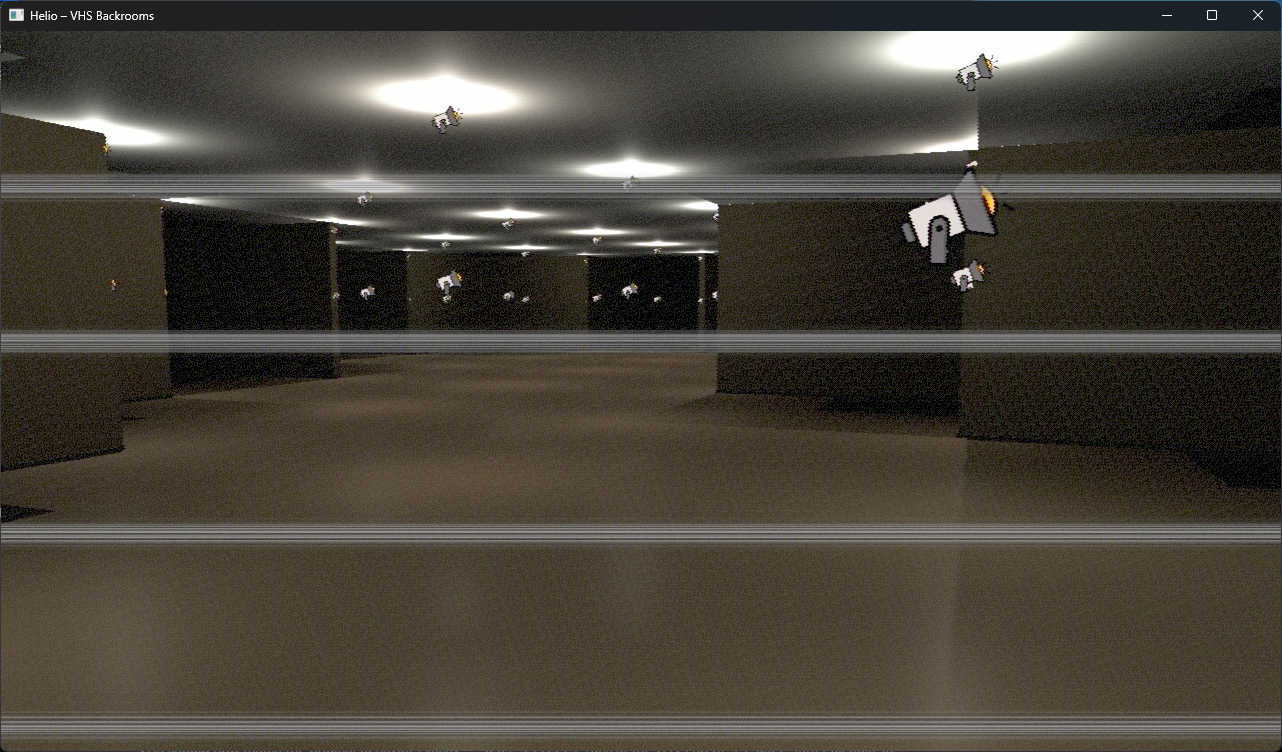
Post Processing and Custom Shader Injection in Helio
How Helio handles post processing — the uber-pass design, multi-point shader injection, GPU volume blending, auto-exposure, bloom, color grading, and the post-process volume system with GPU-side spatial blending.
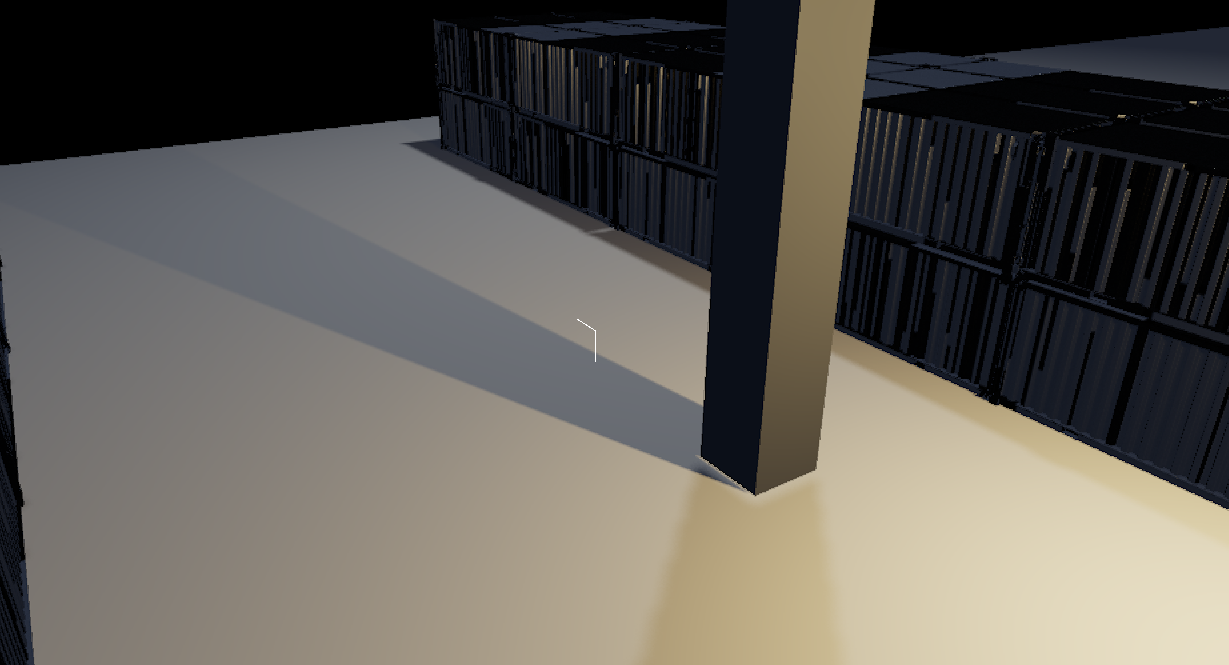
Cascaded Shadow Maps: From Matrix Compute to PCSS Filtering
A complete walkthrough of Helio's shadow pipeline — GPU matrix generation for point/directional/spot lights, the 256-layer shadow atlas with GPU-driven dirty tracking, per-face frustum culling, and PCSS soft shadows with Vogel disk sampling.
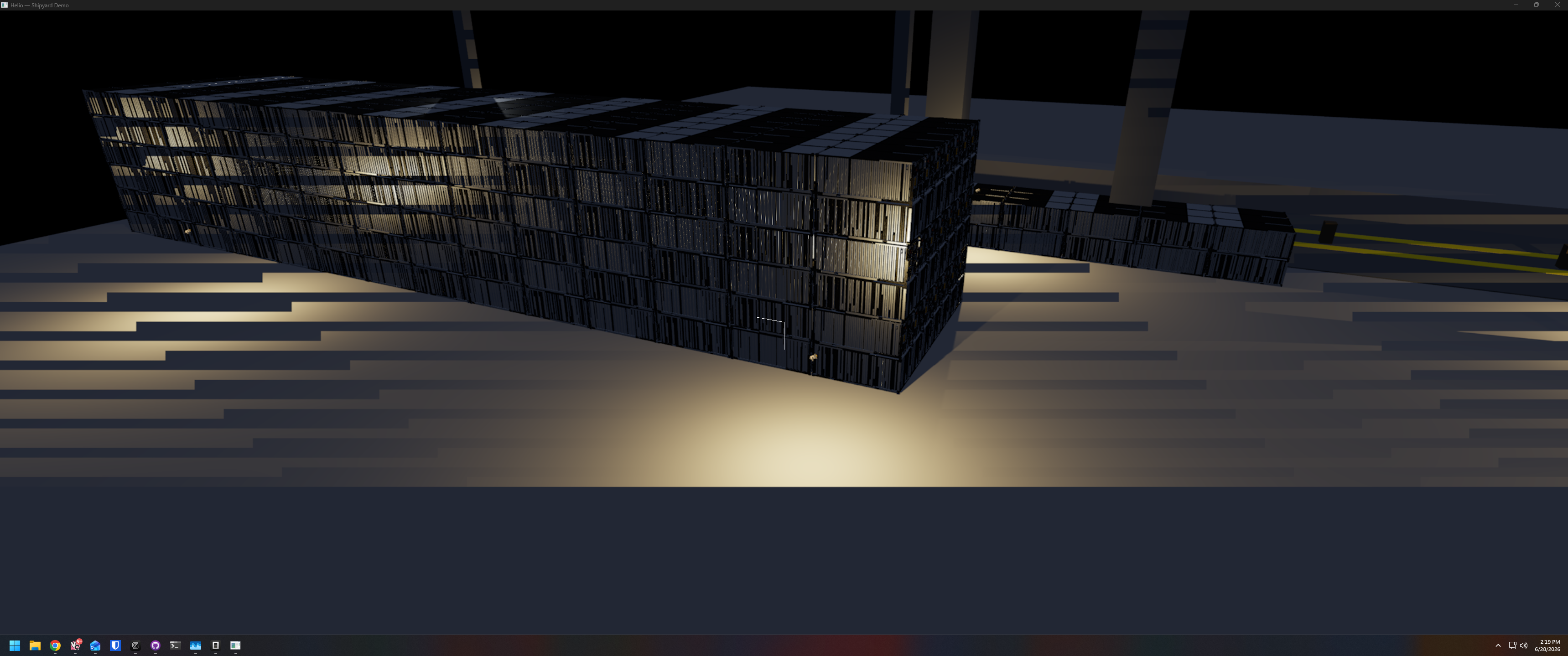
Cross-Platform GPU Programming Without Losing Your Mind
A practical field guide to the platform differences that actually matter when building a GPU renderer on wgpu — bindless limits, indirect draw capabilities, texture format support, and the WGSL footguns that look the same everywhere but behave differently nowhere you expect.
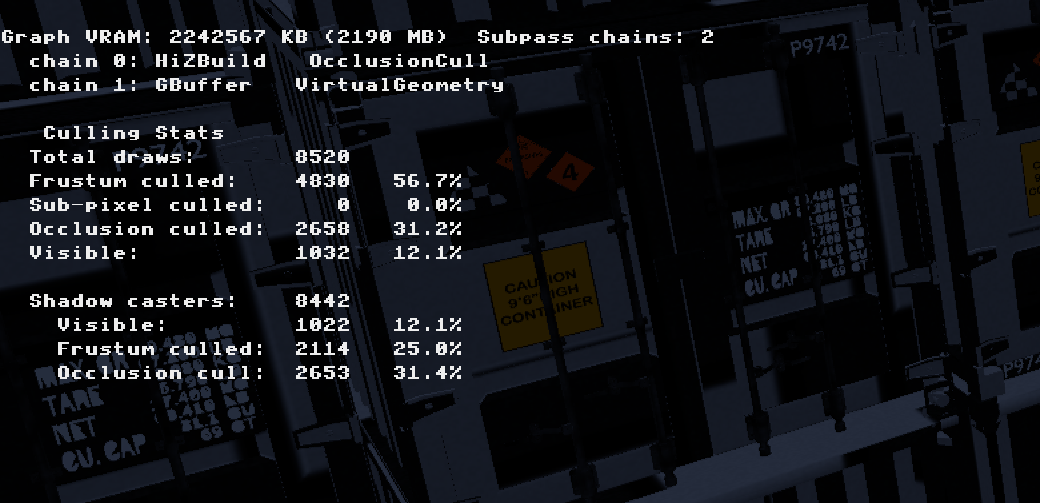
Culling Done Right: Fixing What Everyone Gets Wrong About GPU Culling
A deep technical postmortem of Helio's culling system — the critical bugs that caused objects to vanish when they shouldn't and appear when they shouldn't, the fixes that brought everything inline with AAA standards, and what a 110% occlusion-culled stat taught us about atomic counter races.
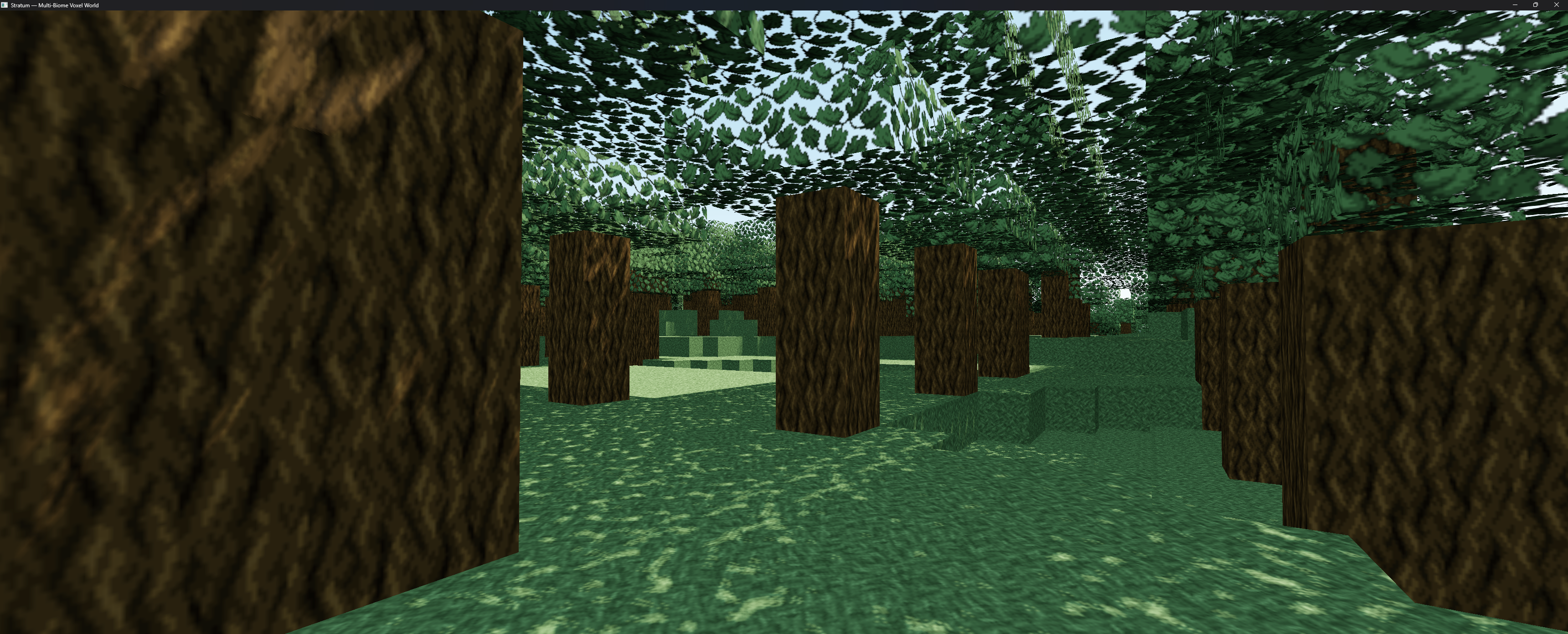
Radiance Cascades: Probe-Based Global Illumination
A technical walkthrough of Helio's probe-based global illumination system — how a sparse grid of radiance probes captures indirect light, the cascade atlas format, multi-bounce accumulation, ambient fallback outside the grid, and why we're waiting on hardware ray tracing for the next step.
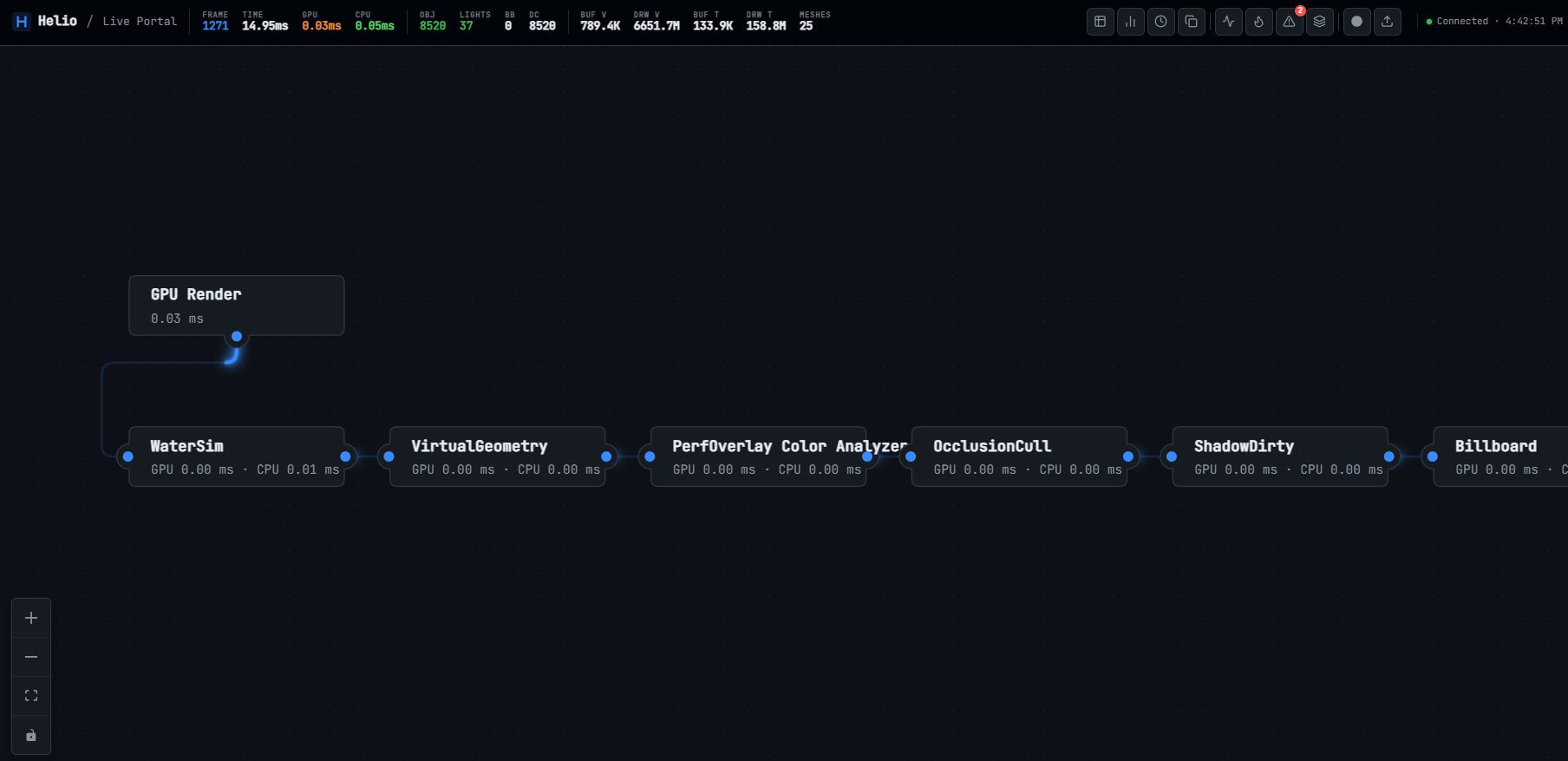
Designing a Render Graph That Doesn't Get in the Way
A detailed walkthrough of Helio's render graph — how passes declare resource dependencies, the lazy bind-group rebuild pattern, subpass chaining for framebuffer compression, and why we chose typed passes over a JSON graph.
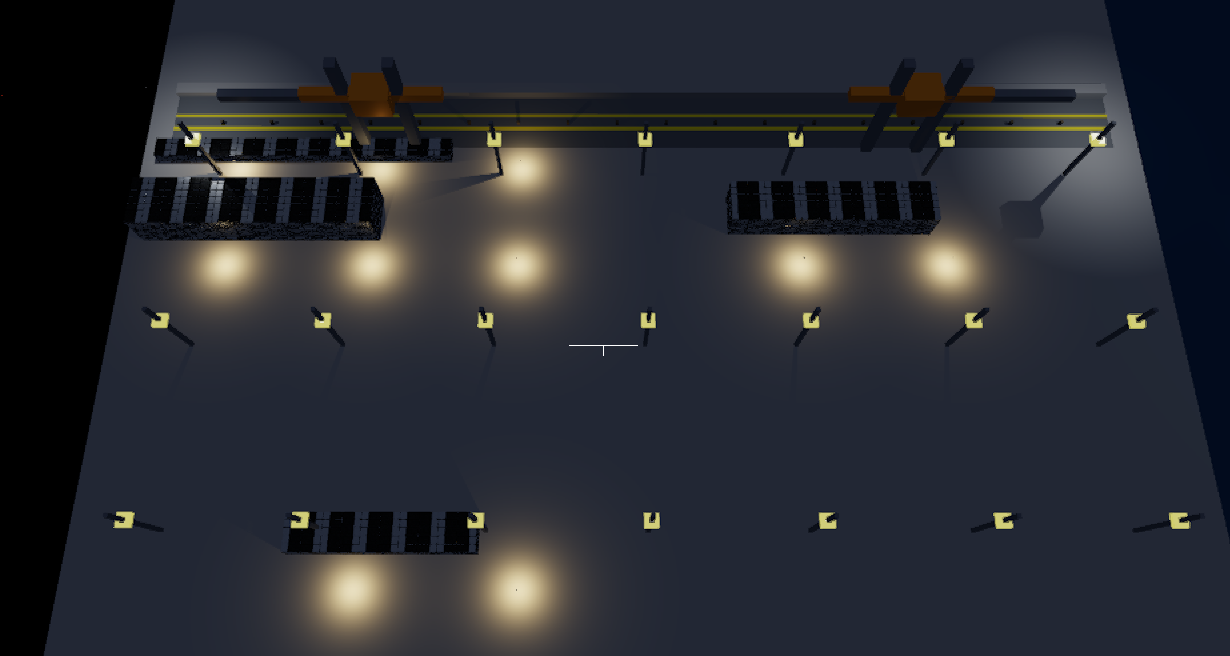
Tiled Light Culling: From Linear Scan to Forward+
A technical walkthrough of Helio's tile-based light culling system — how we replaced a linear per-pixel light scan with a compute shader that assigns lights to 16x16 tiles, the tile frustum construction, the cache key that makes it free on static scenes, and what 1000+ dynamic lights look like in practice.
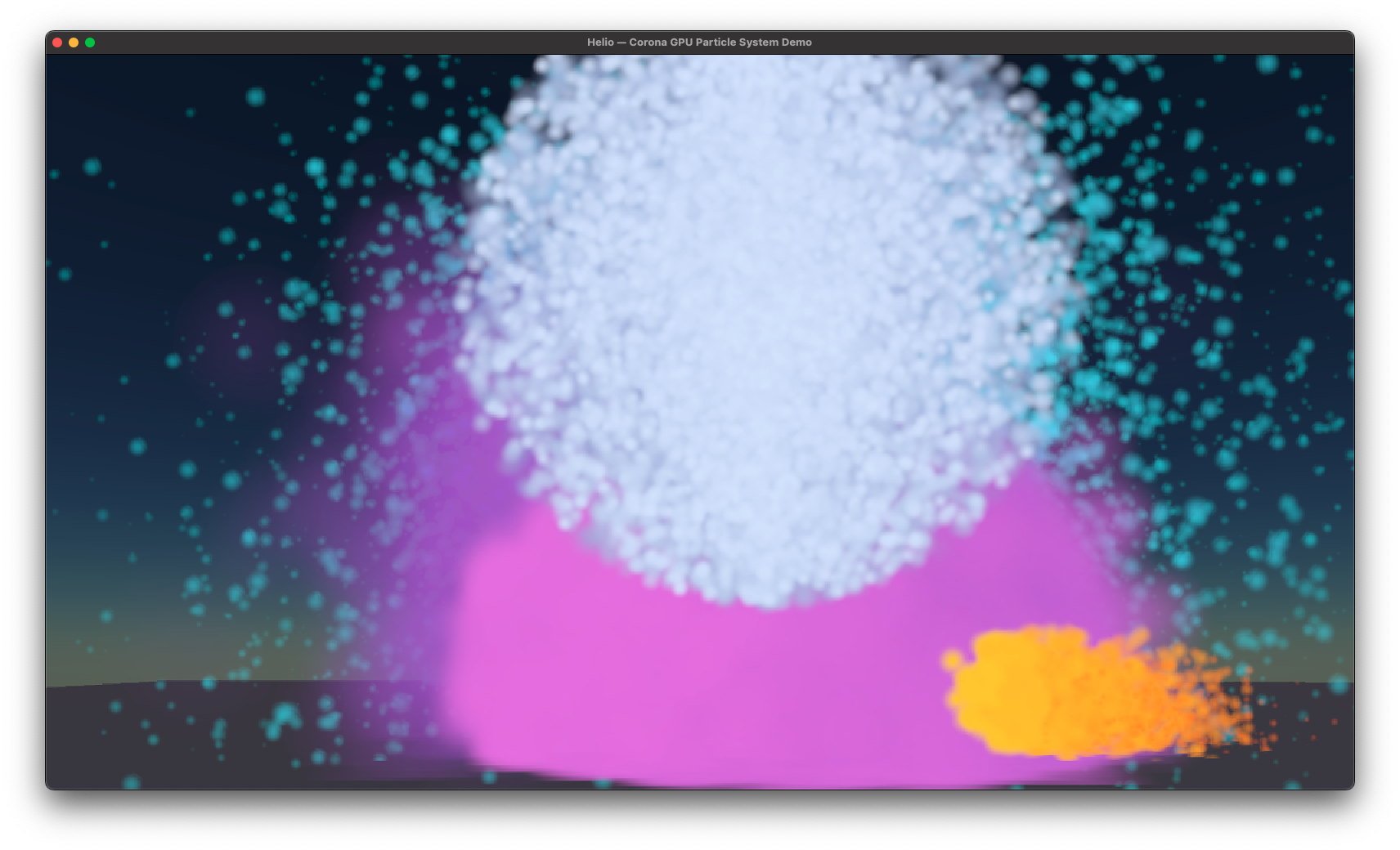
Corona: Building a GPU-Native Particle System
A full technical walkthrough of Corona — Helio's GPU-native particle system. How we went from invisible particles and flickering garbage to a million stable, depth-sorted, atlas-rendered particles using prefix sums, bitonic sort, and a lot of debugging.

Introducing Helio: A GPU-Driven Renderer Built in Rust
A deep technical walkthrough of Helio — the custom GPU-driven deferred renderer we built for Pulsar. Why we built it, how its pipeline is structured, and what we learned along the way.