
Not Enough Triangles: Helio's Virtual Geometry in Action
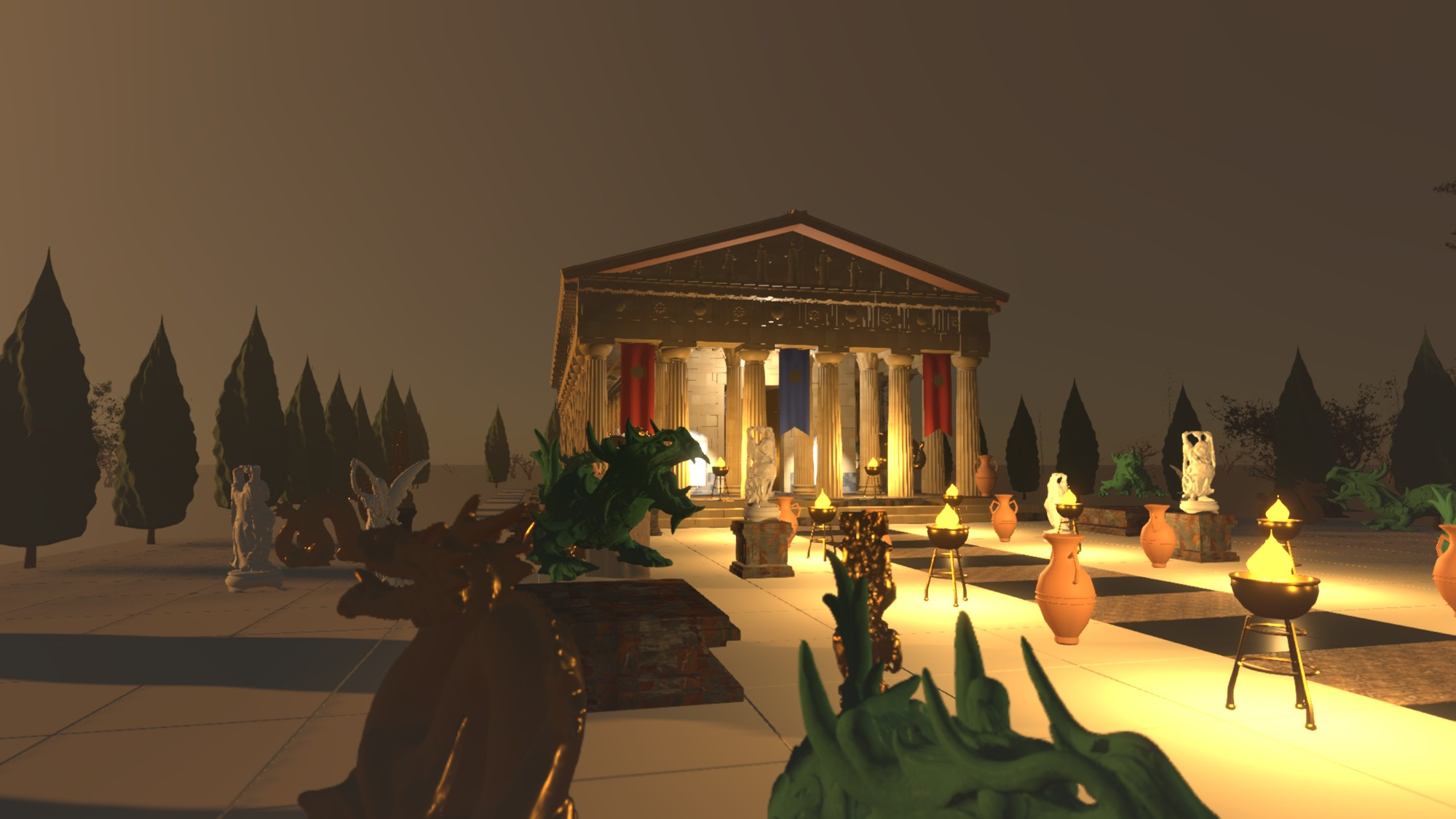
What virtual geometry is, where it helps and where it does not, how Helio selects geometry per cluster on the GPU and rasterizes it in three tiers, and what the first measurements on a 777 million triangle scene looked like.

Through the Glass: Physically Based Lens Simulation in Helio
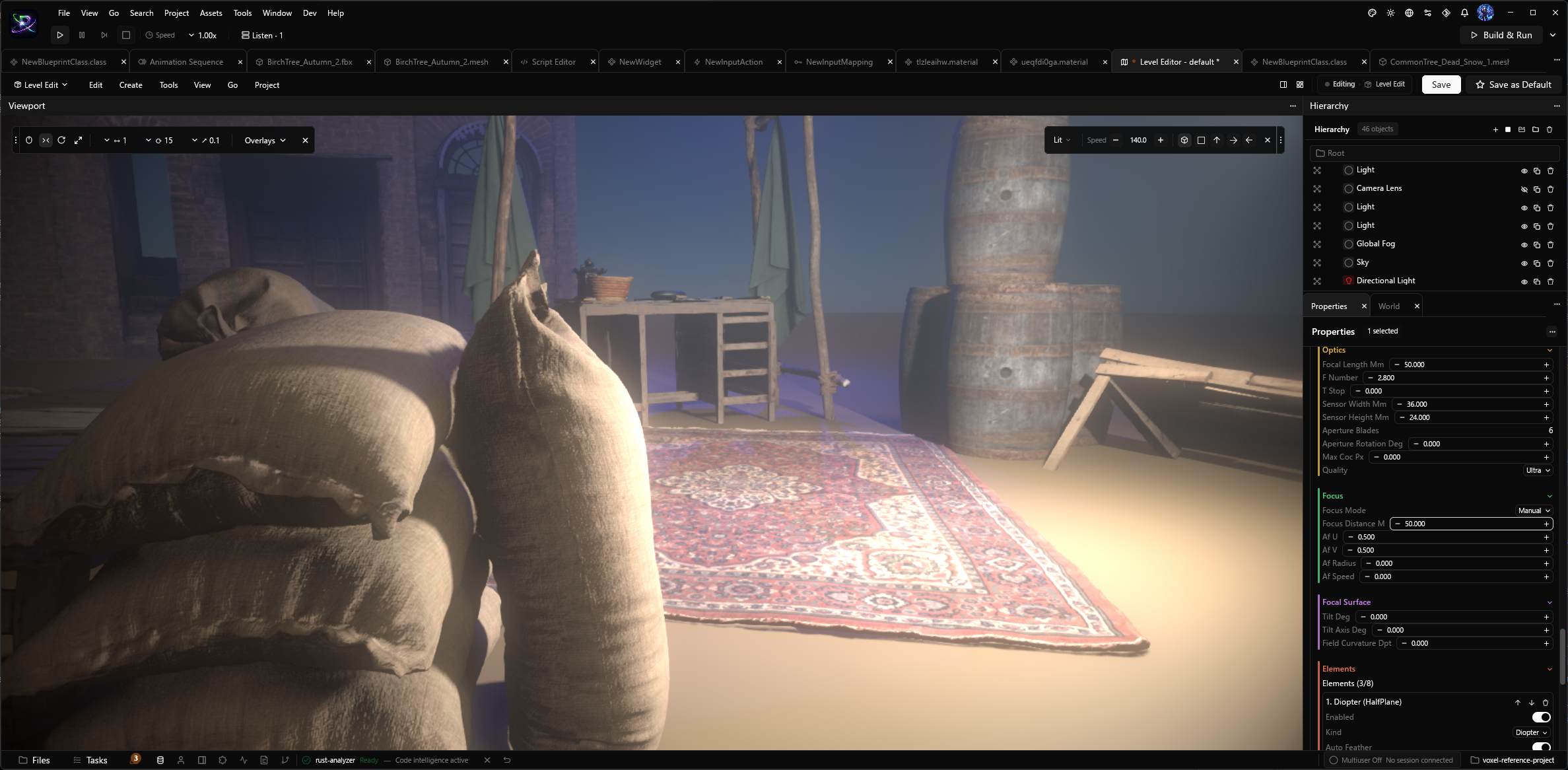
How Pulsar's rendering engine reconstructs real optical behavior using physical lens prescriptions, spectral ray mapping, pupil functions, and GPU compute shaders.
One Allocator for Space: Parent-Relative Worlds, Level Instances, and Portals That Light Themselves
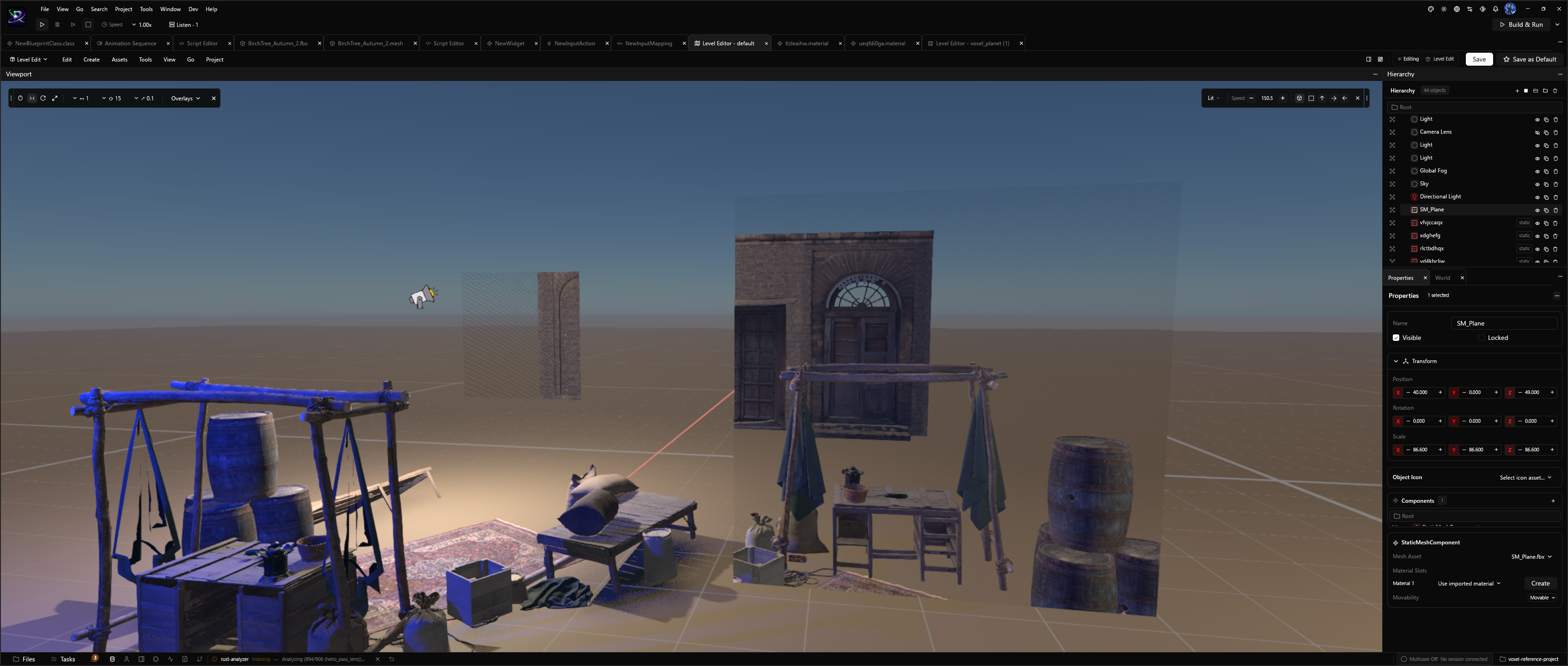
A folder in the hierarchy panel that would not move its children turned into a rewrite of how Pulsar represents space. Parent-relative transforms resolved on the GPU, dirty-subtree propagation, camera-relative precision, rigid frames, one allocator behind portals and sublevels, level instances you can drop into a scene, and portals that now take their lighting and their materials from the world they show. This is how each piece works, what we measured, and the places where our own tests lied to us.

Portals Aren’t Cameras: How Helio Folds Space in WGSL
How Helio renders portals as transition maps across a discrete fourth spatial axis, transforming geometry directly into the shared G-buffer through GPU-driven culling, nested spatial clipping, indirect draws, and temporally stable motion vectors.
Multi-Data-Output Nodes — One Binding, Many Pins
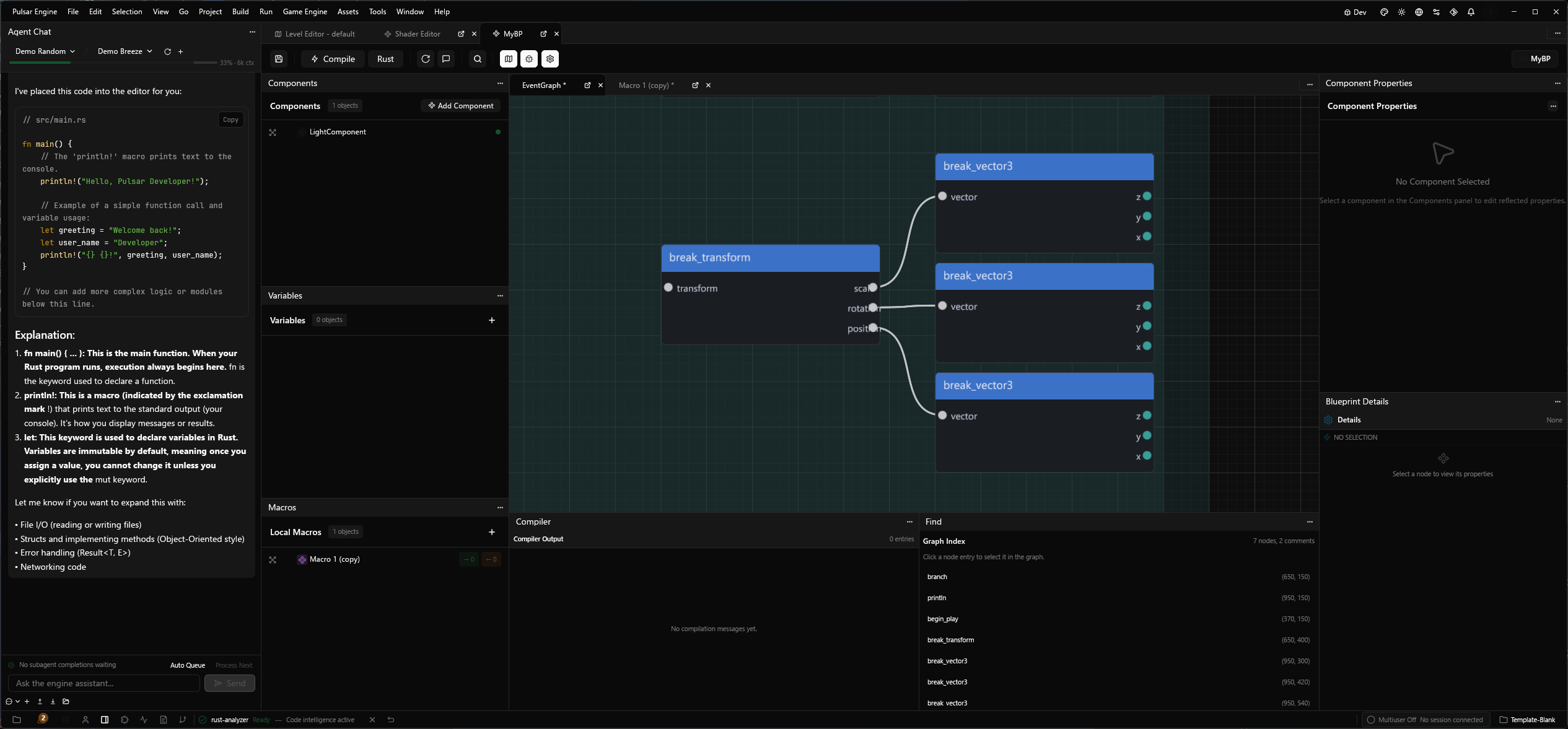
How Pulsar's node graph compilers handle nodes that produce multiple values — the cross-language accessor pattern, compiler internals, and the #[output] / bp_return! macros.