
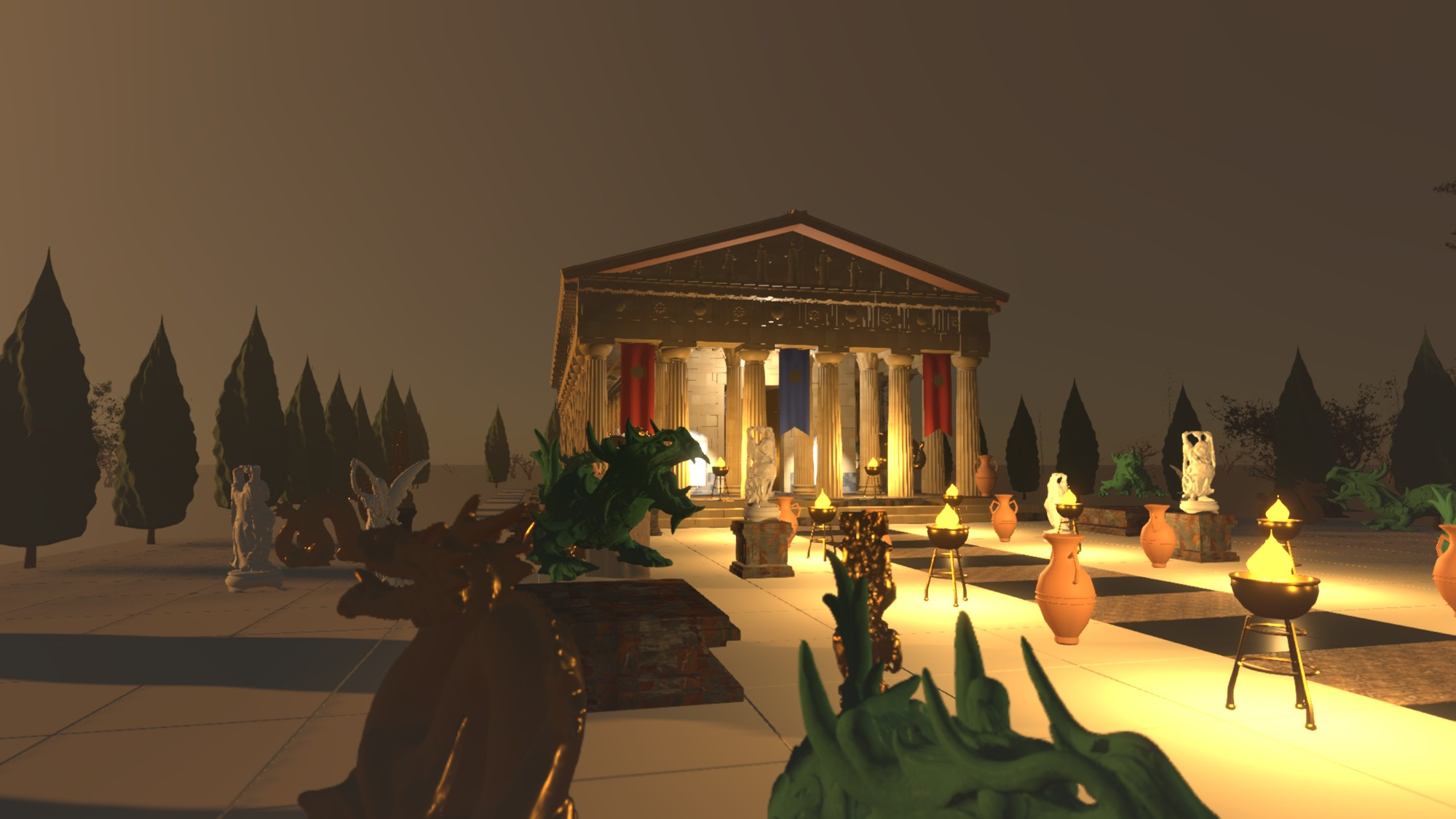
Not Enough Triangles: Helio's Virtual Geometry in Action
What virtual geometry is, where it helps and where it does not, how Helio selects geometry per cluster on the GPU and rasterizes it in three tiers, and what the first measurements on a 777 million triangle scene looked like.

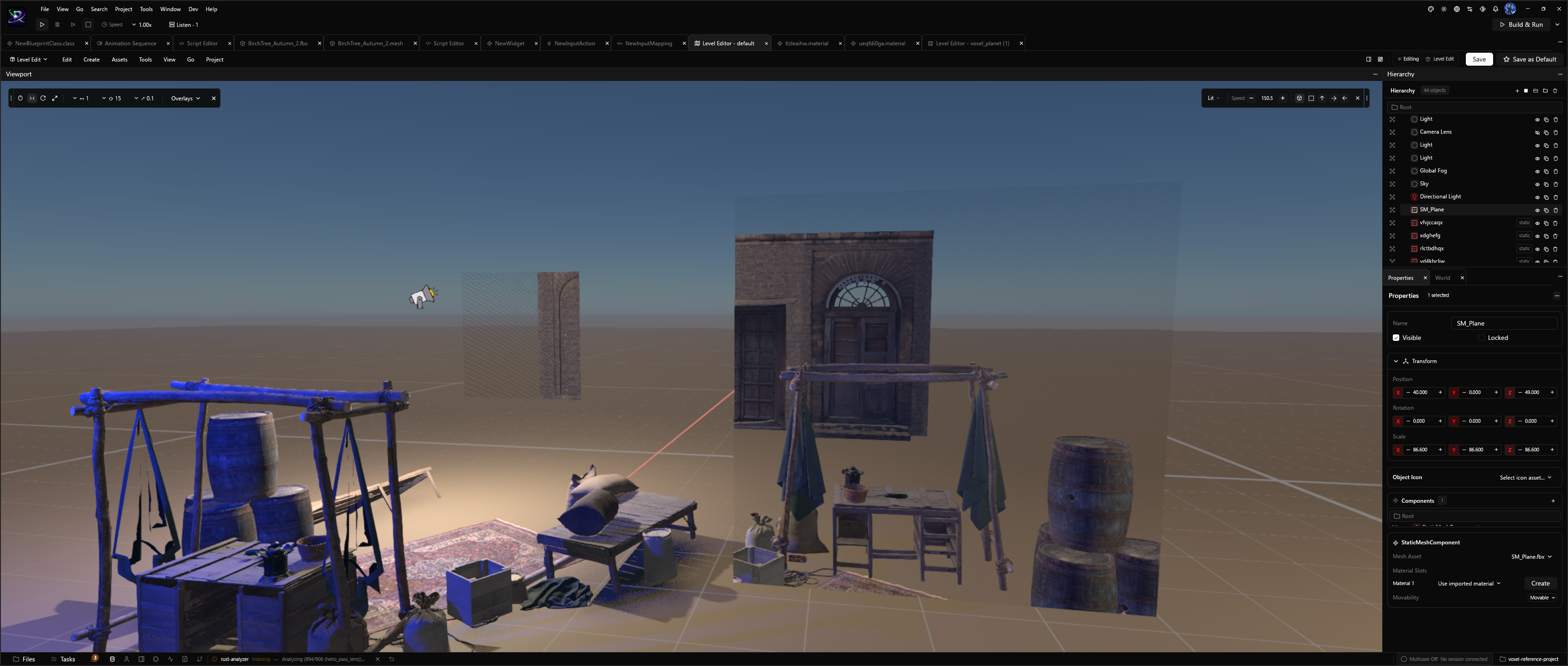
One Allocator for Space: Parent-Relative Worlds, Level Instances, and Portals That Light Themselves
A folder in the hierarchy panel that would not move its children turned into a rewrite of how Pulsar represents space. Parent-relative transforms resolved on the GPU, dirty-subtree propagation, camera-relative precision, rigid frames, one allocator behind portals and sublevels, level instances you can drop into a scene, and portals that now take their lighting and their materials from the world they show. This is how each piece works, what we measured, and the places where our own tests lied to us.
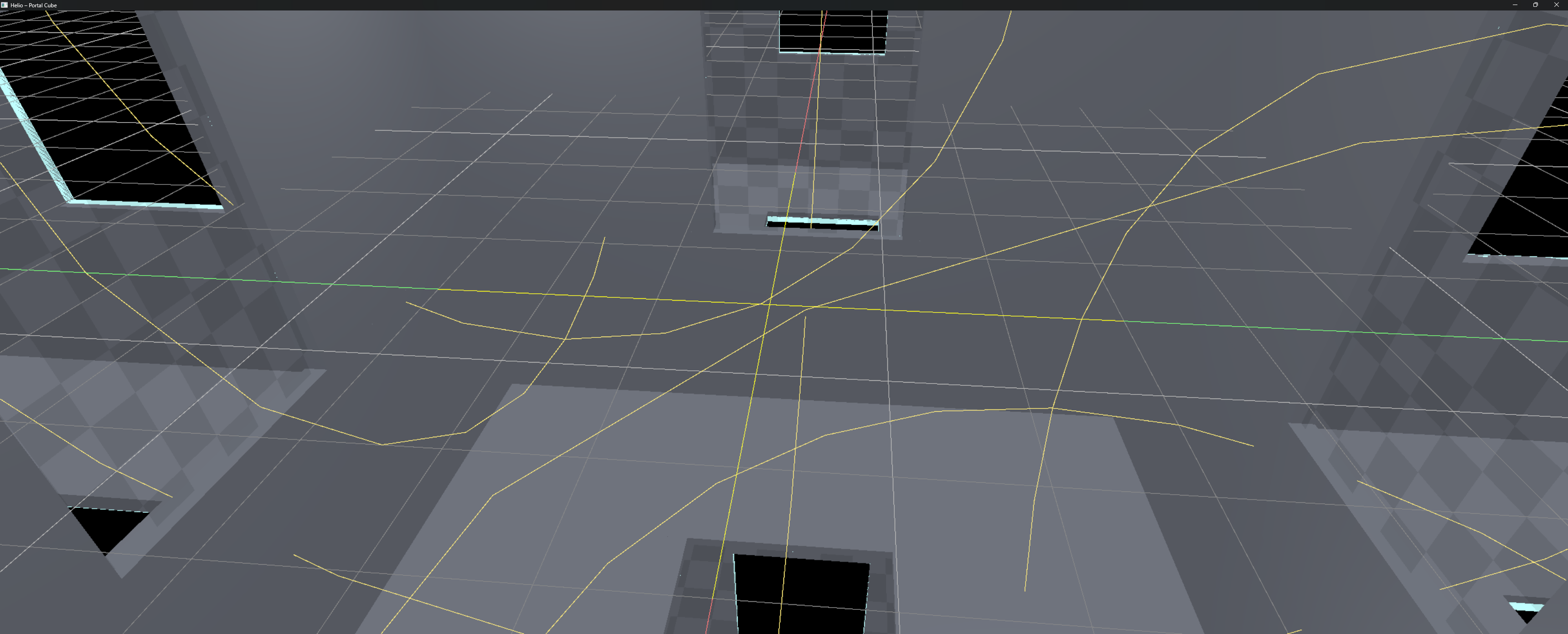
Sublevels: One Coordinate Space Behind Moving Chunks, Streamed Worlds, and Portals
Helio's Sublevels system is one shared GPU table of rigid transforms. Moving a group of a thousand objects, streaming a world chunk in and out, and rendering a portal all reduce to the same operation: claim a slot, tag the members, write one matrix.
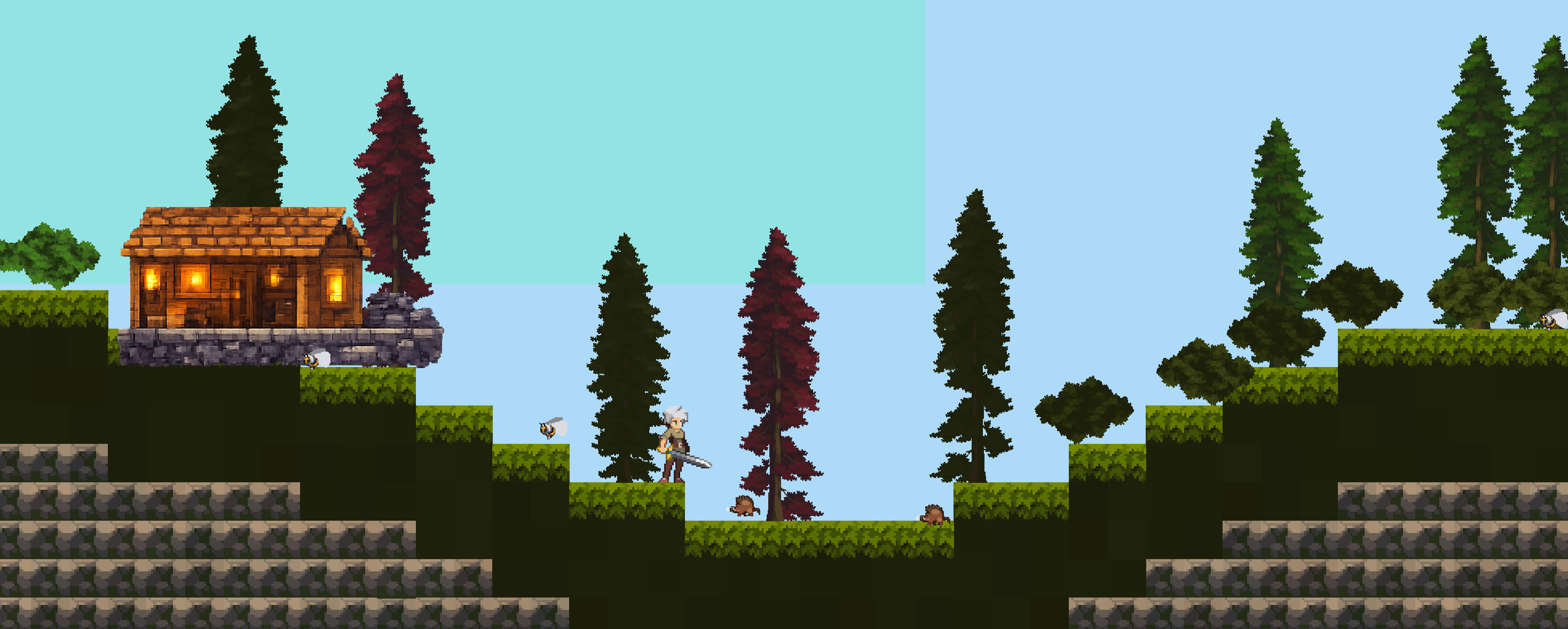
Helio 2D: GPU-Driven Sprites at 10 Million Instances
Helio's GPU-driven 2D sprite pipeline — persistent handle-addressed pools, GPU compute culling and radix sort, vertex-pulling batch rendering, GPU bounce physics for 10M sprites, and real-time 2D radiance cascades global illumination.
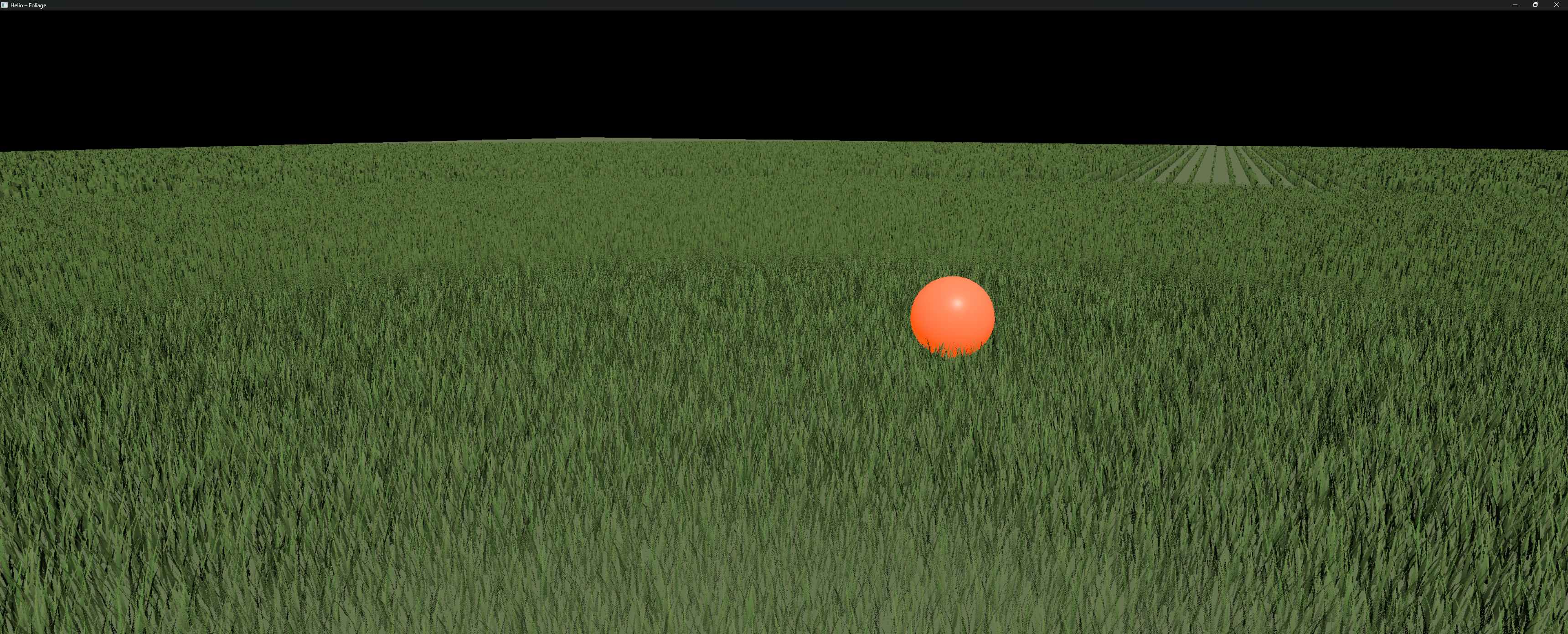
Rendering a Million Blades of Grass: Helio's GPU-Driven Foliage System
Helio's GPU-driven foliage system with tile ring residency, three-band wind, correct motion vectors, and 1M blades under 3ms.
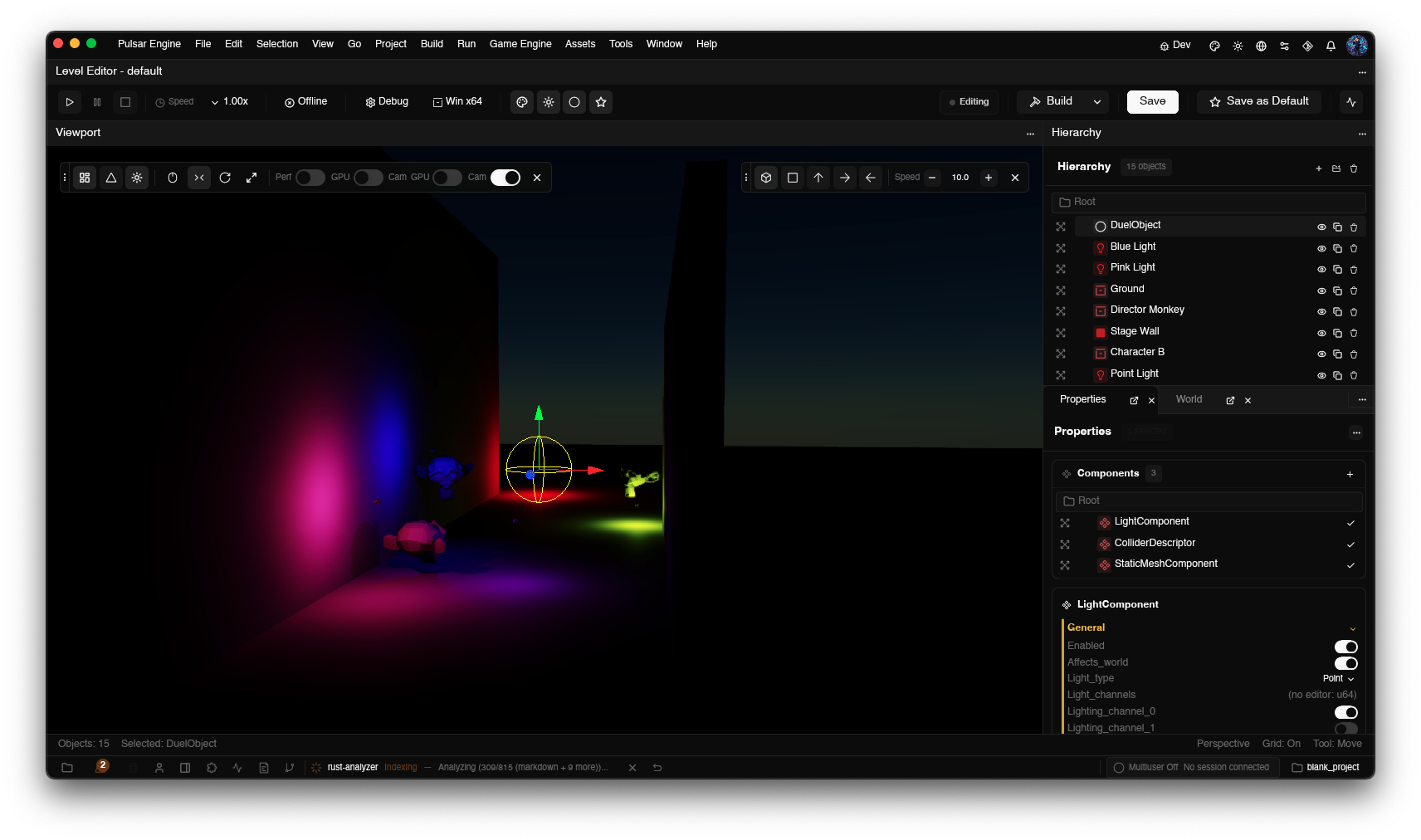
SceneDB 2.0: The Cross-Device Spatial Database
A deep technical walkthrough of SceneDB 2.0, a cross-device spatial database that replaces the traditional push-model ECS with GPU-native columns, delta-minimal uploads, self-healing slot mirrors, and compile-time frame phase enforcement.
