
Four Tiers for an Asset: Residency, Derived Data, Cooked Textures, and What SceneDB Gave the Engine
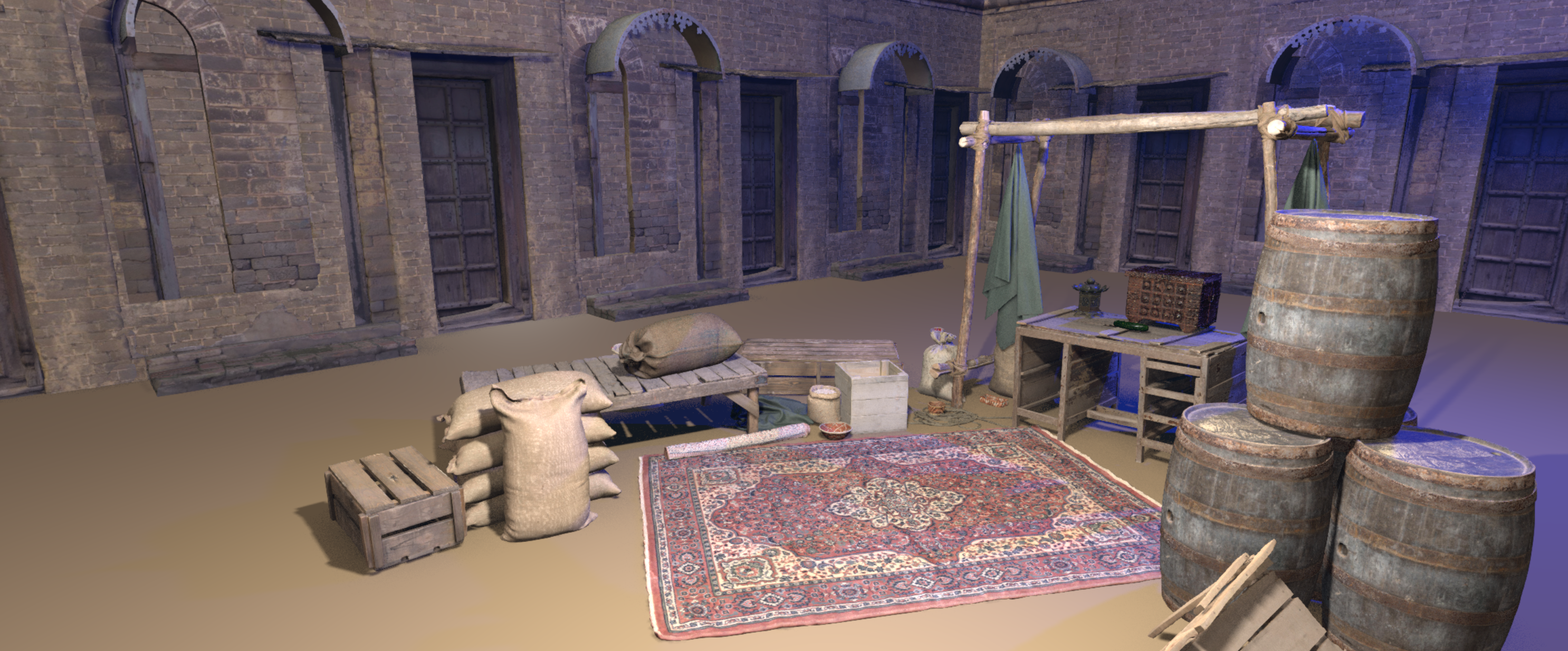
SceneDB's asset layer held every decoded payload for as long as a component referenced it. Four additions fixed that without teaching the database anything about images: a budgeted rebuild-on-miss cache with single-flight rebuilds and prefetch, a derived-data cache on disk, a texture store that takes mip chains and block-compressed formats, and one that can adopt a texture another scene already uploaded. Here is how each works, why it lives where it lives, and what the engine did with them, with the cook that turns a 4K JPEG into 5.3 MiB of BC7 and a full mip chain.

Profiling the UI Itself: A CPU+GPU Flamegraph and RenderDoc-Style Replay Viewer for GPUI
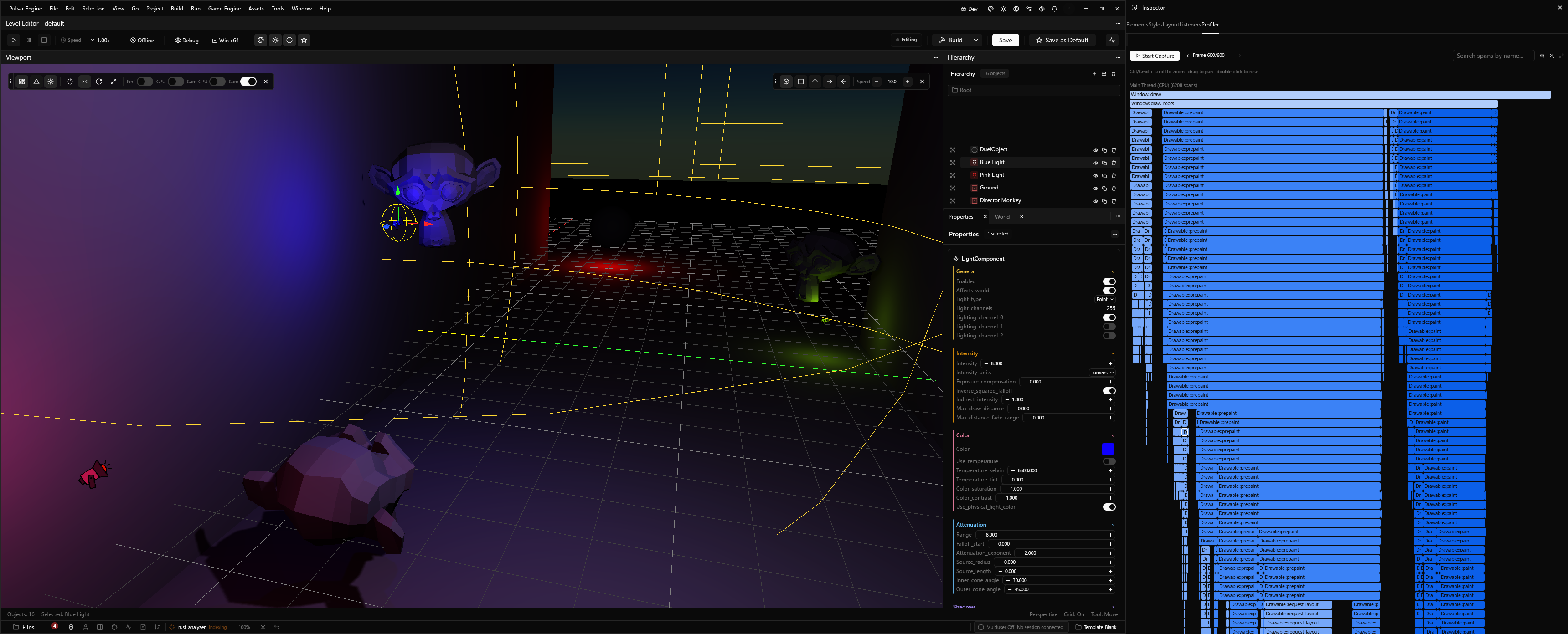
Building a feature-gated CPU+GPU profiler directly into GPUI's Inspector panel: span capture, counters, memory snapshots, a RenderDoc-style GPU deep capture and replay engine, and a flame chart rendered with a custom instanced GPU shader instead of one UI element per bar.
SceneDB 2.0: The Cross-Device Spatial Database
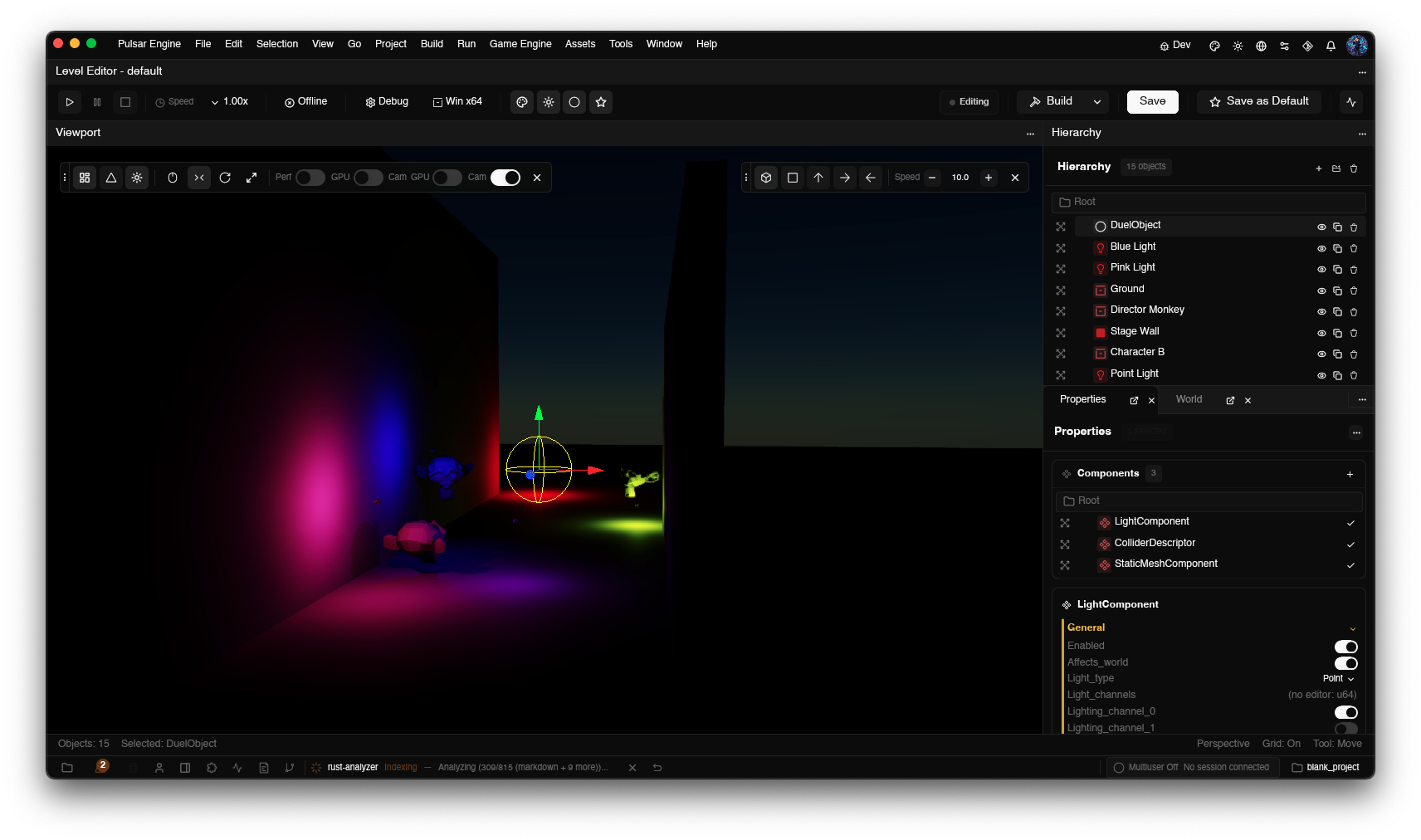
A deep technical walkthrough of SceneDB 2.0, a cross-device spatial database that replaces the traditional push-model ECS with GPU-native columns, delta-minimal uploads, self-healing slot mirrors, and compile-time frame phase enforcement.
